1846 articles
Google's AI platforms saw mixed traffic results in November 2025, with DeepMind leading at 34% growth while overall engagement showed uneven patterns across different services.
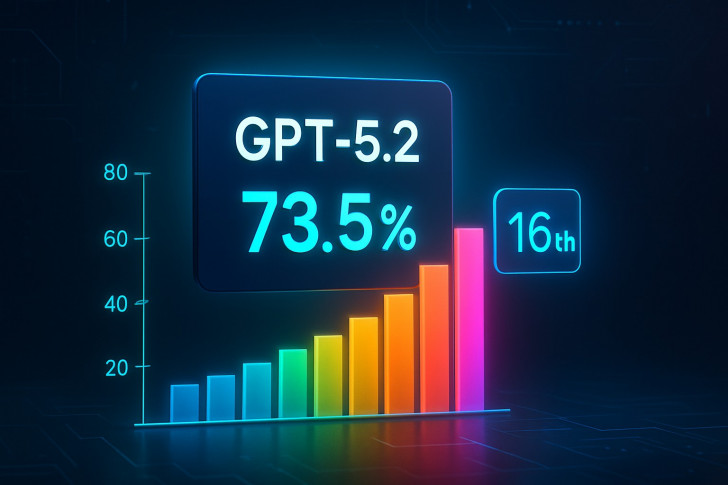
GPT-5.2 secured 16th position in the Dubesors LLM Benchmark with a 73.5% overall score, landing in the middle tier among over 250 evaluated large language models.
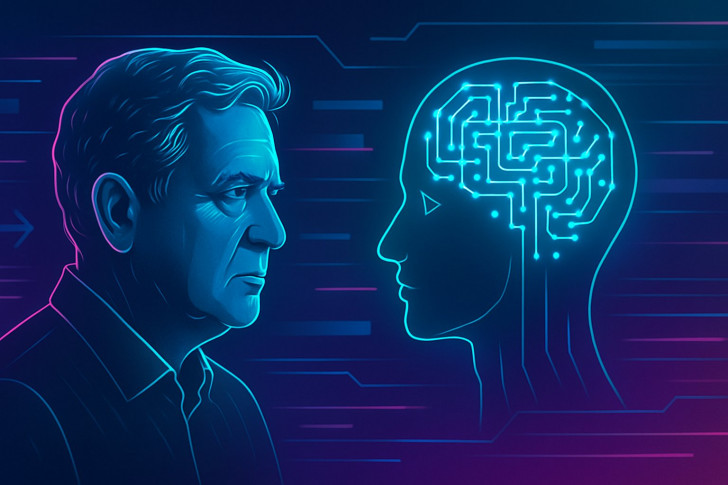
Yann LeCun cautions that large language models are frequently mistaken for true intelligence because of their language fluency. He argues this generation of AI systems doesn't represent a path to human-level intelligence.
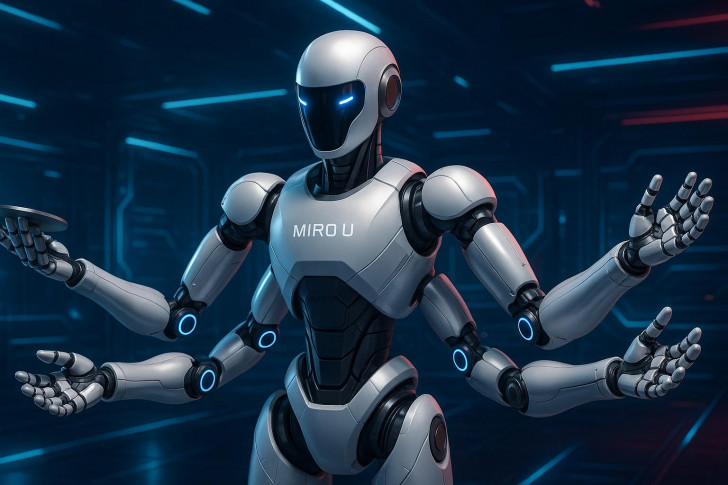
Chinese appliance maker Midea introduces MIRO U, a six-armed humanoid robot that promises to transform factory automation with 30% efficiency gains during production changeovers.
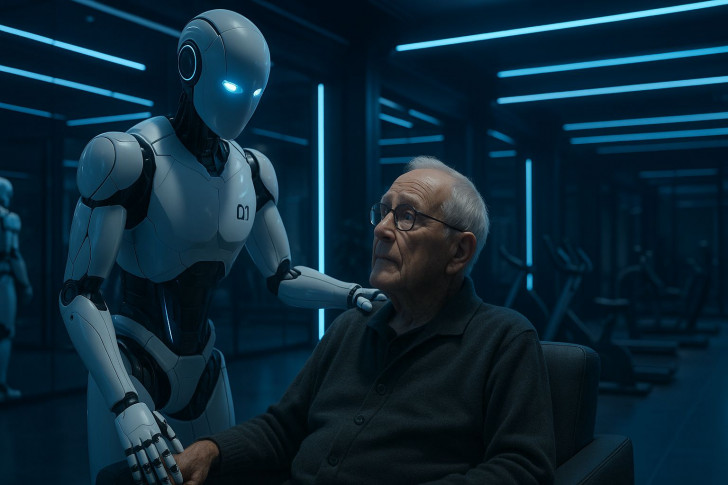
A groundbreaking humanoid robot from Shanghai is changing how seniors live independently, combining wheelchair mobility with smart daily-living features to address China's growing elderly care needs.
LangChain just launched PeopleHub, an AI platform that automates LinkedIn research through simple natural language queries. The system slashes operational costs by up to 90% while delivering structured reports in seconds
ZTE's EmbodiedBrain model introduces a unified vision-language-action system designed to improve planning and execution in physical environments, demonstrating state-of-the-art performance across complex embodied AI tasks.
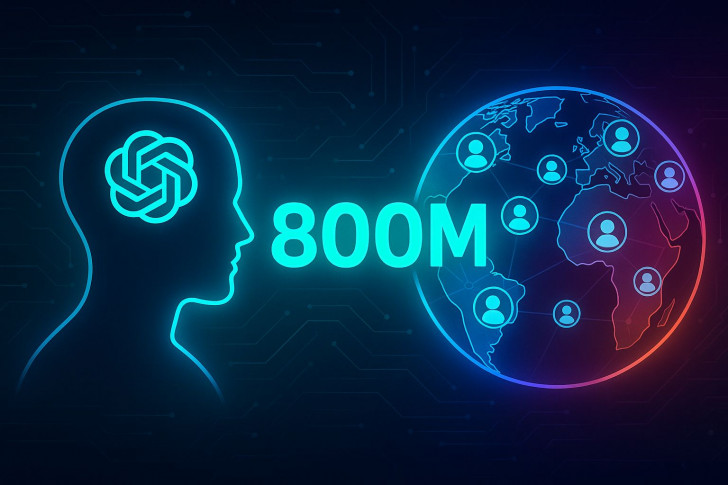
ChatGPT has exploded to over 800 million weekly users in just three years, now serving about 10% of all adults globally. New usage data reveals writing leads the pack while personal, non-work conversations are taking over.
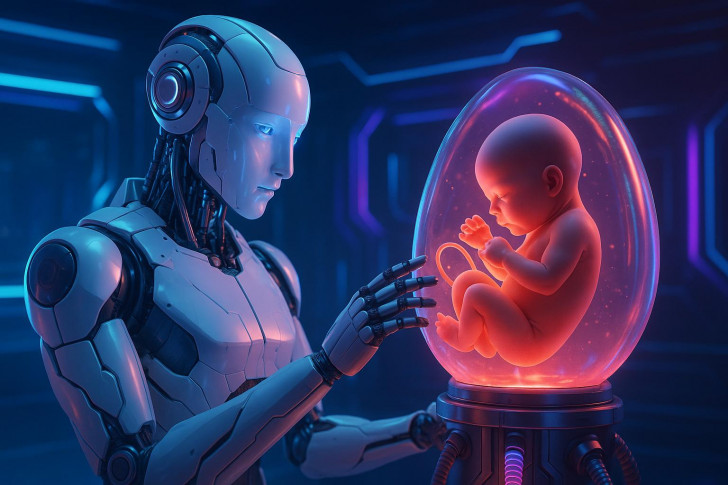
A Chinese tech company unveiled GEAIR, a humanoid robot with a synthetic womb designed to carry and deliver babies, sparking global controversy over the future of human reproduction.
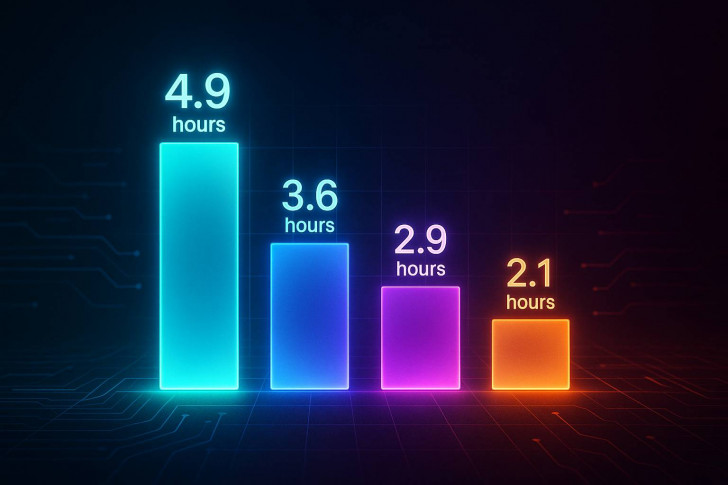
Epoch AI just dropped new performance scores for the biggest models out there — Gemini 3 Pro, GPT-5.2, and Claude Opus 4.5 — and the numbers reveal some pretty interesting gaps in how long these systems can actually stay on task.
Despite explosive revenue growth forecasts, OpenAI faces persistent negative cash flow as compute costs match every dollar earned
Federal Reserve Chair Jay Powell acknowledges artificial intelligence is starting to impact American jobs, marking the first time the Fed has officially connected AI adoption to rising unemployment numbers.
A breakthrough AI agent called InternGeometry has achieved near-gold-medalist level performance on International Math Olympiad geometry challenges, using surprisingly limited training data to solve complex mathematical problems.
OpenAI's GPT-5.2 Thinking shows major accuracy improvements across 256k token contexts in new MRCRv2 benchmarks, dramatically reducing "context rot" and opening doors for more reliable enterprise AI agents.
Shanghai AI Lab's Intern-S1-MO agent just scored gold-medal level on brutal Olympiad math problems, leaving GPT-4, Grok, and other top reasoning models in the dust across multiple competition benchmarks.
Singapore researchers created an octopus-inspired swimming robot that coordinates eight soft arms using only two motors, achieving speeds up to 314 mm/s while dramatically improving energy efficiency compared to traditional multi-actuator designs.
Donald Trump signed an executive order blocking U.S. states from enforcing their own AI laws, consolidating oversight under one federal framework. The decision overrides transparency and bias-testing requirements already adopted by states like California and Colorado.
Disney has partnered with OpenAI in a three-year deal worth $1 billion, bringing over 200 beloved characters from Disney, Pixar, Marvel, and Star Wars to the Sora video platform. The agreement combines equity investment with widespread AI integration across Disney's operations.
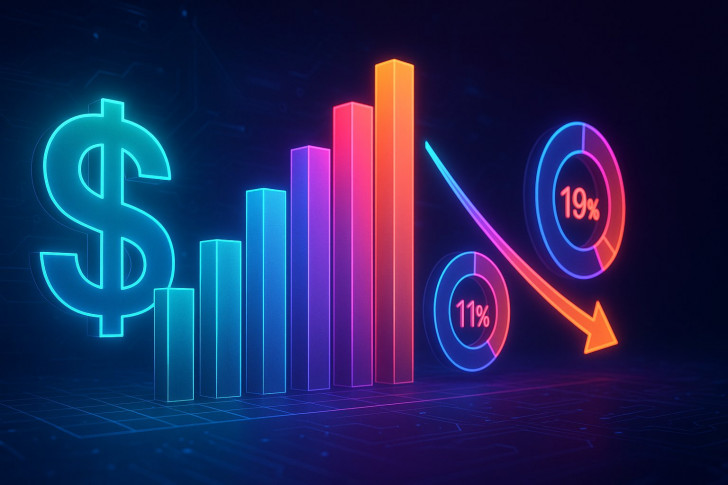
Enterprise AI spending tripled to $37B in 2025, but open-source models are losing ground fast. Meta's Llama, despite leading the open-weight category, couldn't stop its market share from dropping to just 11% as enterprises bet bigger on commercial platforms.
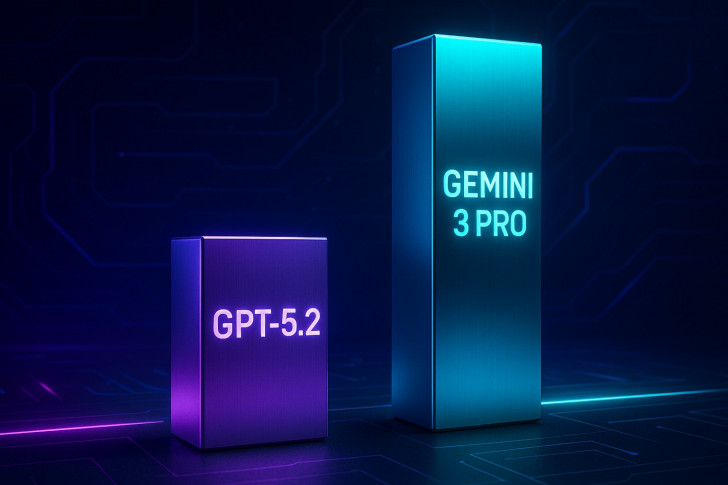
Fresh SimpleBench results reveal GPT-5.2 trailing far behind competitors in common-sense reasoning tests, with Gemini 3 Pro Preview taking the crown.
We use cookies to improve your experience on our site and to show you relevant advertising. To find our more, read our privacy policy and cookie policy


 Victoria Bazir
 Peter Smith
 Saad Ullah
 Eseandre Mordi
 Alex Dudov

 Usman Salis
 Sergey Diakov