Chris Hodges

Plans start at $2.99 per month for individual apps, while bundled tiers reach $19.99 per month. Meta reports 15 million subscriptions and trials. Meta One creates a common paid layer across Meta's apps, combining AI usage limits, creator tools and premium features under subscription-based access.
Plans and Limits
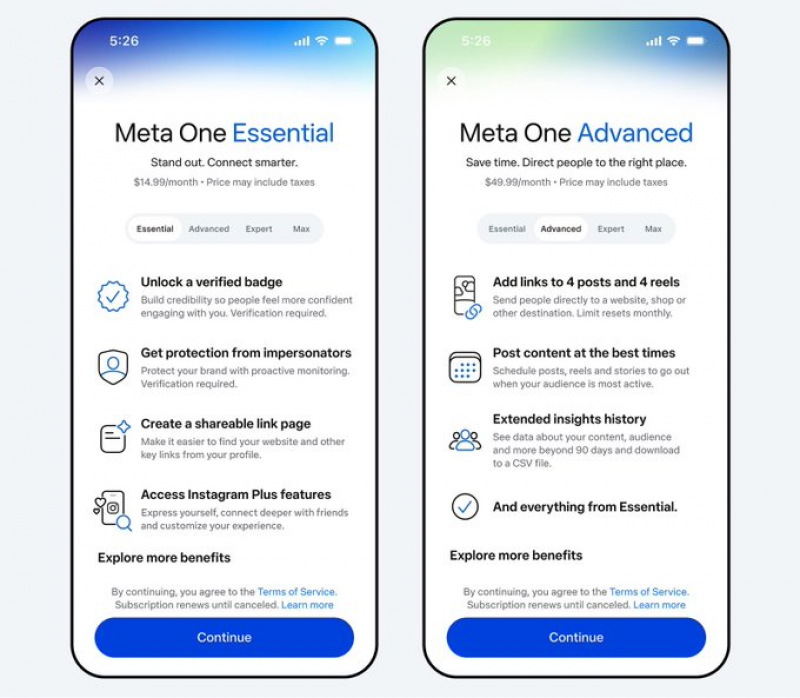
| Plan | Price/month | Access |
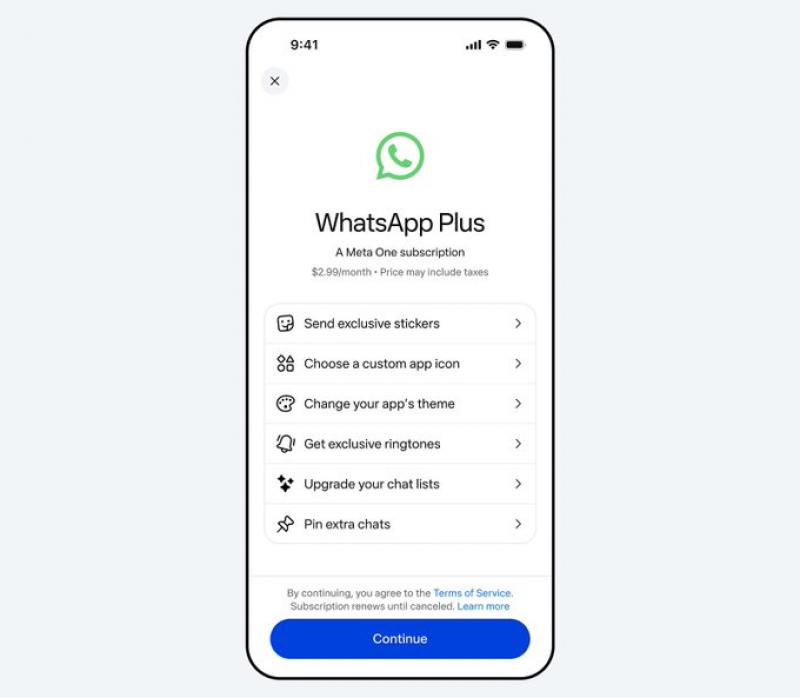
| WhatsApp Plus | $2.99 | Premium messaging features |
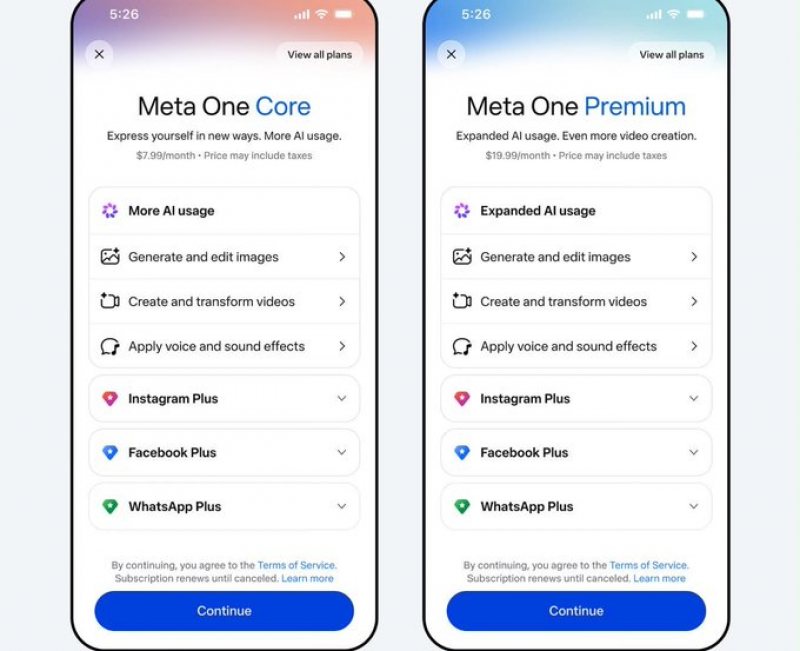
| Instagram Plus | $3.99 | Additional profile and creator features |
| Facebook Plus | $3.99 | Additional social and profile features |
| Meta One Core | $7.99 | Cross-app bundle + higher Meta AI limits |
| Meta One Premium | $19.99 | Higher AI capacity + additional premium tools |
The main technical distinction between tiers is resource allocation. Paid users receive higher limits for Meta AI features such as image and video generation. More expensive tiers increase access to compute-heavy AI workloads and advanced tools.
In practice, Meta is applying a familiar AI SaaS model:
Free quota → paid quota → higher-compute tier
Instead of exposing token or GPU costs directly, Meta packages compute allocation into consumer subscriptions.
From App Subscriptions to Meta One
Meta previously handled paid features primarily at the application level.
Previous structure:
User → Instagram / Facebook / WhatsApp → individual subscription
Meta One:
User → Meta One → subscription entitlements → Instagram / Facebook / WhatsApp / Meta AI
This allows Meta to manage paid capabilities across multiple products through a single subscription.
The distinction is important. Features, AI quotas and premium capabilities can theoretically be controlled by account-level entitlements rather than independent app subscriptions. Meta has not announced a public API that allows third-party developers to query Meta One subscription status.
What Is Gated
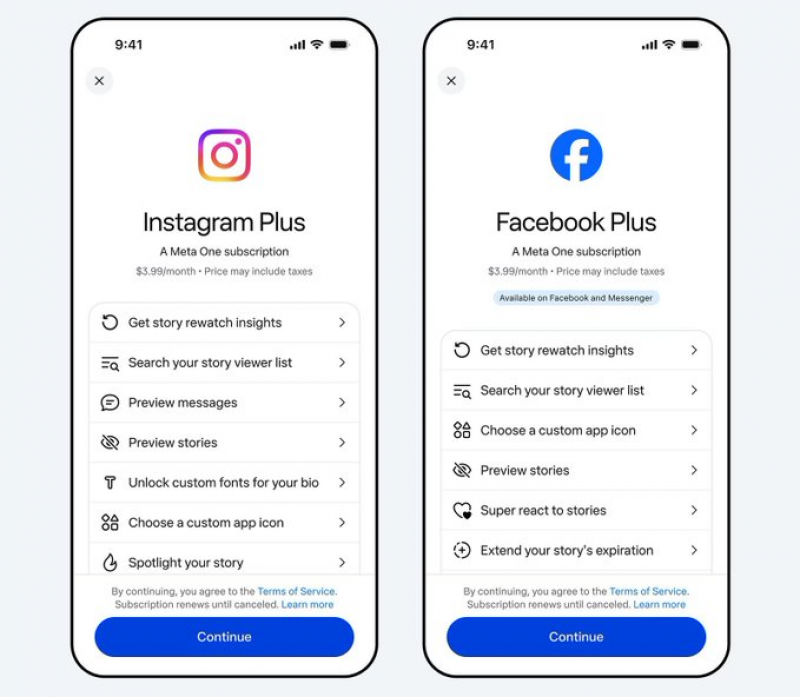
Meta One covers several categories of functionality:
- AI compute: higher limits for image generation, video generation and compute-intensive queries.
- Creator tools: analytics, publishing, scheduling and audience features.
- Identity and security: verification and additional account-protection features.
- App features: customization, messaging and profile functionality.
- Hardware AI: increased usage limits for selected AI features on Meta devices.
The last category shows that Meta One is not restricted to Facebook, Instagram and WhatsApp.
For example, Meta has applied usage limits to AI features on its smart glasses. Conversation Focus provides limited monthly usage at the free level, while higher subscription tiers increase the available hours. This makes the subscription layer usable across both cloud services and hardware-linked features.
AI Compute as a Subscription Resource
Generative AI has a different cost profile from conventional social-network features. Text inference, image generation, video generation and advanced reasoning require significantly more compute than serving posts or messages. Meta One provides a way to allocate those resources according to subscription level.
The model can be represented as:
Account → entitlement → AI quota → model/feature access
That means two users can access the same Meta AI product while receiving different generation limits or compute budgets.
The Core vs. Premium distinction can therefore be implemented without maintaining completely separate AI products. The underlying models may remain the same while quotas, rate limits and available tools change according to entitlement.
15 Million Subscriptions and Trials
Meta says Meta One has already reached 15 million subscriptions and trials. Meta's advantage is distribution. It does not need a separate AI application to introduce paid AI features: subscription prompts and premium capabilities can be integrated directly into Instagram, Facebook and WhatsApp.
The resulting stack looks roughly like this:
Meta account → Meta One entitlement → AI/creator/security/premium feature limits → Instagram + Facebook + WhatsApp + Meta AI + hardware
Meta One therefore consolidates what were previously separate paid features into a shared subscription and entitlement layer, with AI compute becoming one of the main resources differentiated by tier.
 Chris Hodges