Amit Dua
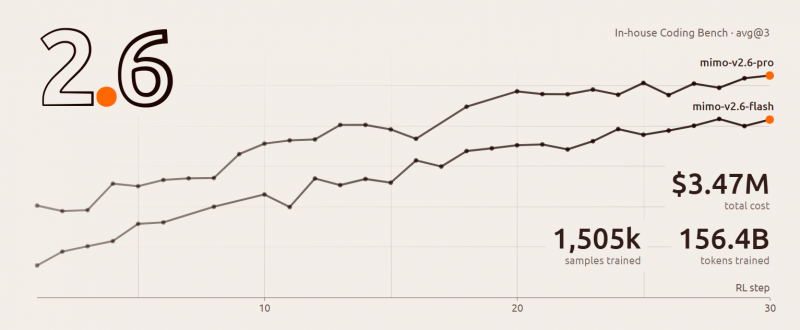
Xiaomi has released MiMo-V2.6, a new generation of open-source omnimodal AI models. The release includes two variants, Pro and Flash, which show significant improvements in coding, computer use, 3D reasoning, and creative tasks. The company has made the model weights, technical report, reinforcement learning environments, and training code available to the public.
Xiaomi MiMo-V2.6 Performance on Benchmarks
The MiMo-V2.6 Pro model performs at a level similar to proprietary models like Claude Opus 5 and GPT-5.6 Sol across multiple agent benchmarks. It achieved a score of 46 on the Artificial Analysis Intelligence Index, which is the highest recorded for an open-source model. The models were advanced through scaled reinforcement learning techniques.
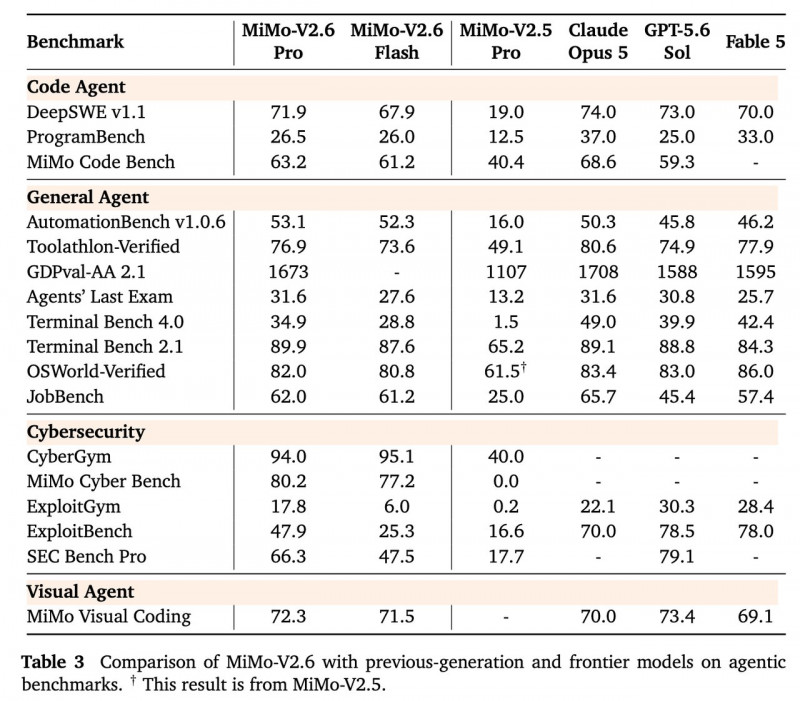
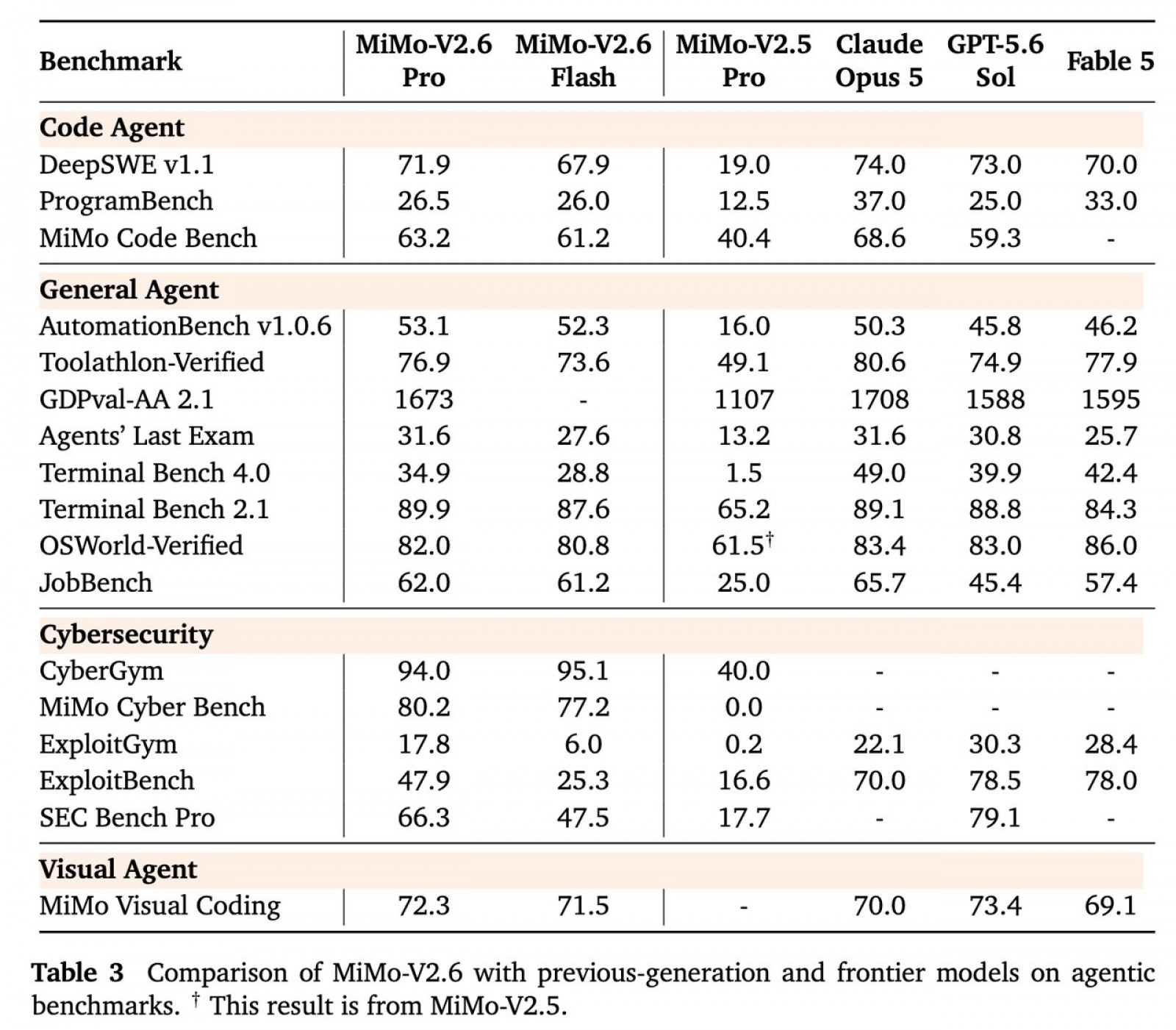
Benchmark data shows the Pro variant scoring 71.9 on DeepSWE v1.1 for code agents, compared to 19.0 for the previous MiMo-V2.5 Pro. In general agent tasks, it scored 53.1 on AutomationBench v1.0.6 and 89.9 on Terminal Bench 2.1. Cybersecurity performance also improved, with a score of 94.0 on CyberGym, up from 40.0 in the previous version. The Flash variant scored slightly lower across most tests but still showed major gains over the V2.5 Pro model.
| Benchmark | V2.6 Pro | V2.5 Pro |
| DeepSWE v1.1 | 71.9 | 19.0 |
| CyberGym | 94.0 | 40.0 |
| AA Intelligence Index | 46 | 32 |
| AutomationBench v1.0.6 | 53.1 | 16.0 |
| Terminal Bench 2.1 | 89.9 | 65.2 |
Open Source Capabilities and Future Impact
By releasing the model weights and training code, Xiaomi provides developers with tools to build and test custom applications. The inclusion of reinforcement learning environments allows researchers to study how the models were trained and potentially improve upon the methods. The omnimodal nature of MiMo-V2.6 means it can process various types of data, expanding its potential use cases.
Developers can access the models and documentation to begin integrating these new capabilities into their projects.
 Amit Dua