Peter Smith
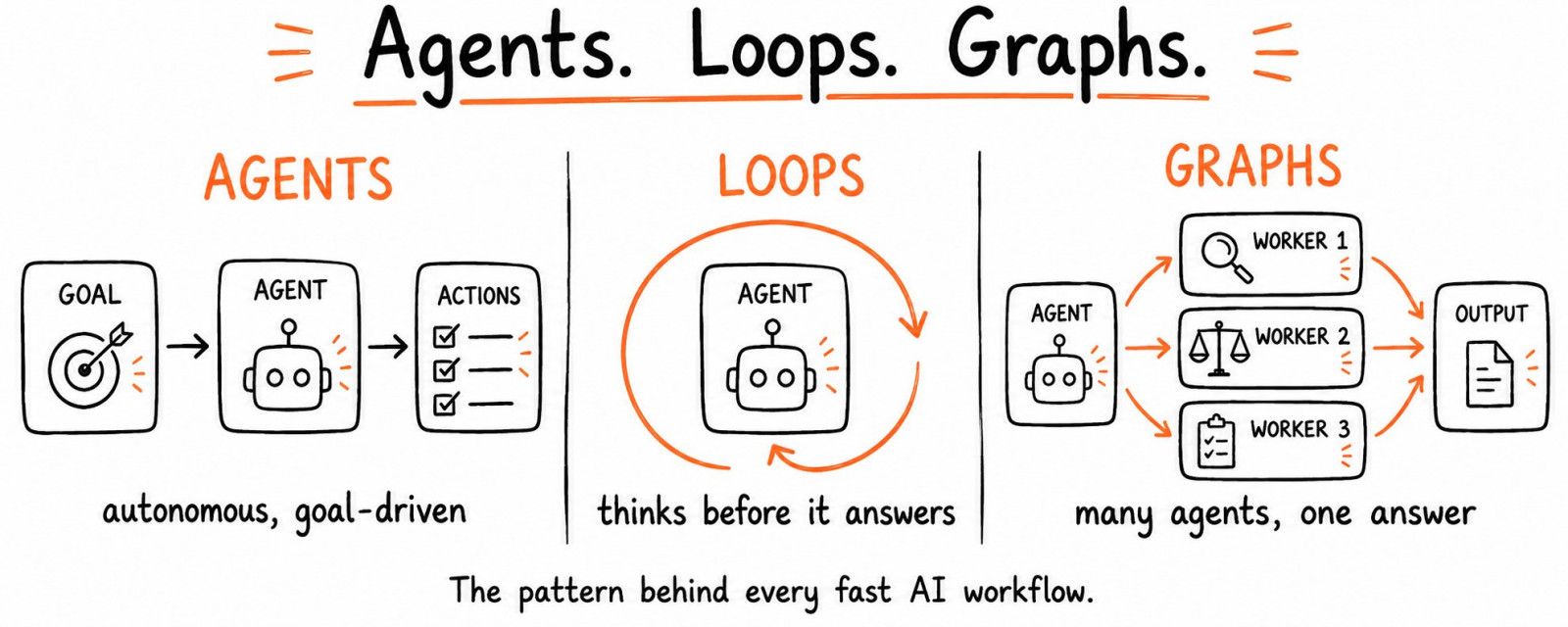
Anthropic has released a one-hour workshop dedicated to what is being called Loop engineering, a technique for turning a single prompt into a self-improving loop. The video was shared by X user Mahax, who described it as free and the best resource on the topic they had come across, urging followers to watch it and then attempt their own loop using an accompanying step-by-step guide.
What the workshop covers
According to the timestamps shared alongside the video, the session walks through several stages of building a loop. It opens with a segment on loop memory around the five-and-a-half-minute mark, laying out how a loop can retain context as it runs repeatedly rather than starting from scratch each time.
Later sections move into more practical territory. Around the eleven-minute mark the workshop addresses a check, build, commit cycle, followed shortly after by guidance on tackling one feature per loop. The video reportedly closes with a demonstration of building a minimum viable product in under an hour, timestamped at just past the thirty-three-minute point.

Why loop engineering is drawing attention
The structure described in the tweet suggests loop engineering is being positioned as a workflow rather than a single trick: memory, iteration discipline, and scoped feature work are treated as distinct skills that build toward a finished output. That framing appeals to developers who want a repeatable process rather than a one-off prompt that only works in isolation.
The fact that the material is free and being amplified by users outside Anthropic itself points to a broader hunger for structured guidance on working with AI systems that can iterate on their own output. As more people experiment with prompting techniques, resources that break the process into checkpoints, such as commit steps and feature-by-feature progress, offer a way to make otherwise unpredictable AI-driven workflows feel more manageable.
 Peter Smith