1846 articles
Elon Musk says AI-powered bots may overwhelm social platforms unless small daily fees are introduced. He suggests X could implement a $0.30-per-day charge to curb automated account activity.
McKinsey says early AI mistakes should be viewed as catalysts for long-term scaling rather than setbacks. The firm urges companies to accelerate their AI roadmaps to capture emerging opportunities.
ByteDance's new Nex-N1 platform combines automated agent generation and multi-stage execution into one unified system, showing superior performance on key AI benchmarks.
Epoch AI reveals Microsoft's Fairwater Atlanta data center now supports over 20 GPT-4-scale training runs monthly, signaling major infrastructure scaling across the AI industry.
Poetiq sets a new benchmark record on ARC-AGI-2 with a verified 54% score, surpassing Alphabet's Gemini 3 Deep Think. The system uses an open-source scaffold combining Gemini 3 Pro and GPT-5.1.
OpenAI launched new features for ChatGPT, including a Deep Research mode that delivers structured, comprehensive analysis for users who need more than quick answers.
New analysis suggests that neural networks share low dimensional weight subspaces, but critics argue that a sample of only 500 models is too small to support broad conclusions.
A large Cloudflare outage shut down multiple well known sites, among them gaming and financial services. The company applied a fix plus keeps watch.
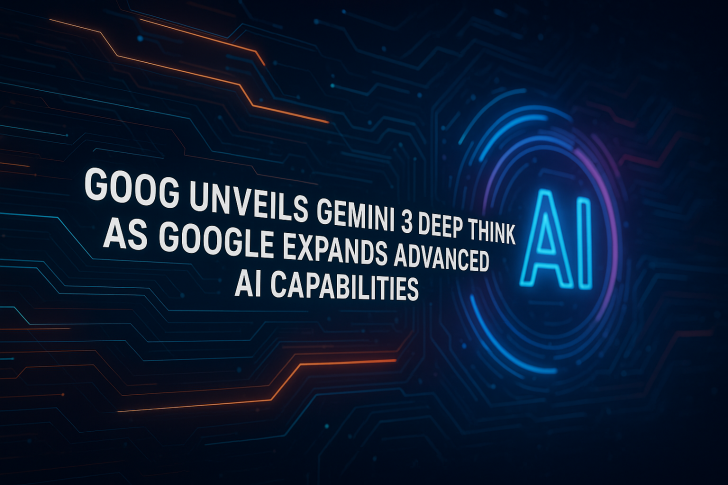
Google has released Gemini 3 Deep Think for Ultra subscribers. The model shows stronger reasoning - it scores 41 percent on Humanity's Last Exam and 45.1 percent on ARC-AGI-2, the highest results reported so far.
Massive studies across three countries reveal conversational AI can genuinely shift political views, with bigger models packing more persuasive punch. The link between model scale, information depth, and lasting influence is undeniable.
Google's NotebookLM just bumped its chat customization limit from 500 to 10,000 characters, letting users create way more detailed AI personas. This upgrade seriously levels up the platform's prompt engineering game.
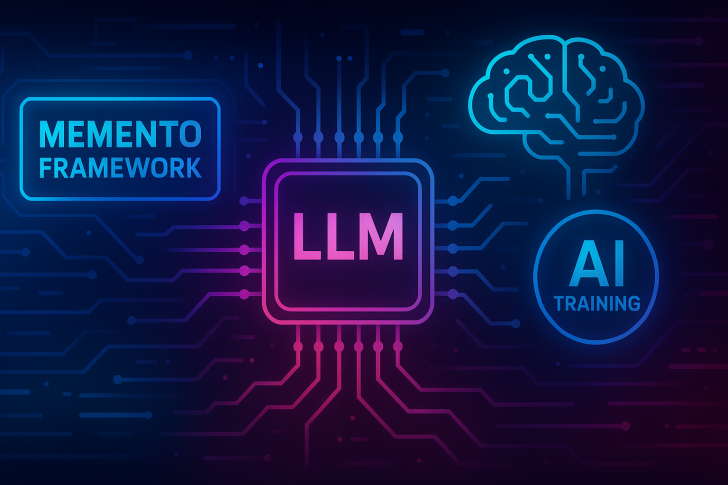
New open-source Memento framework enables LLMs to learn continuously through memory-based systems, achieving 87.88% Pass@3 on GAIA validation without modifying model weights.
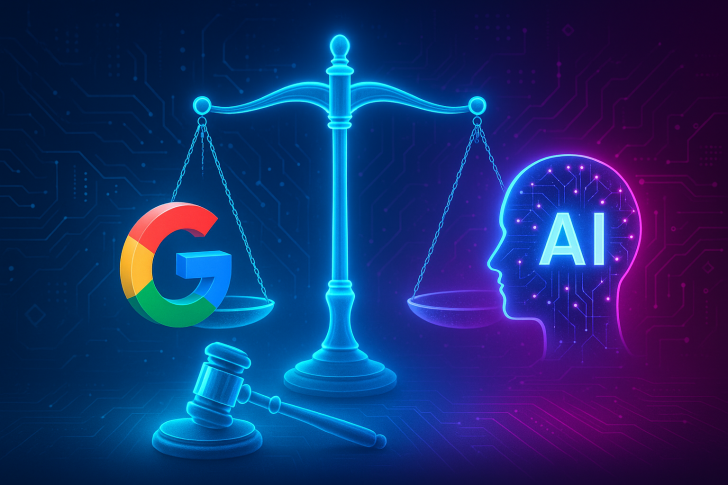
The AI training data debate heats up as legal experts draw parallels to the Google Books case, suggesting current lawsuits against AI companies might reach similar conclusions about copyright and transformative use.
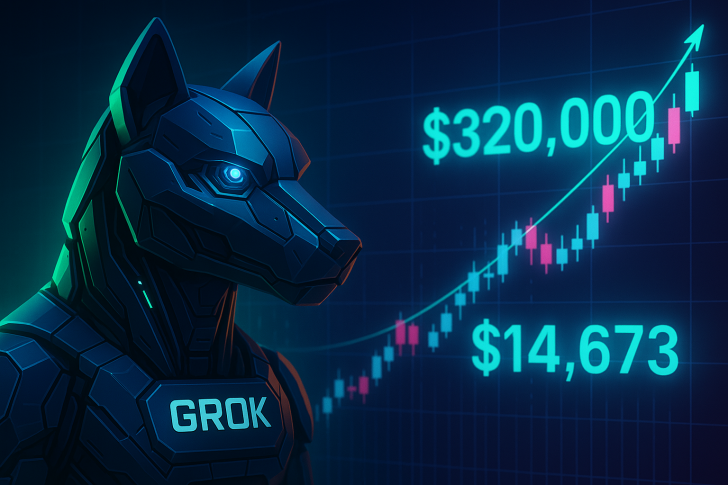
A mystery competitor in Alpha Arena's autonomous trading competition has been revealed as Grok 4.20 after taking first place. Each AI model traded independently with $10,000 in real markets over two weeks.
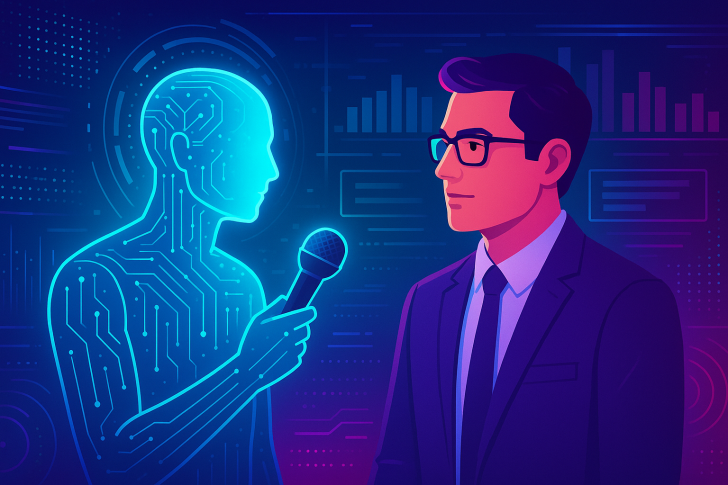
Anthropic launched an AI interviewer to explore how professionals use AI at work. Data from 1,250 participants shows significant time savings alongside trust issues and a growing shift toward AI supervision roles.
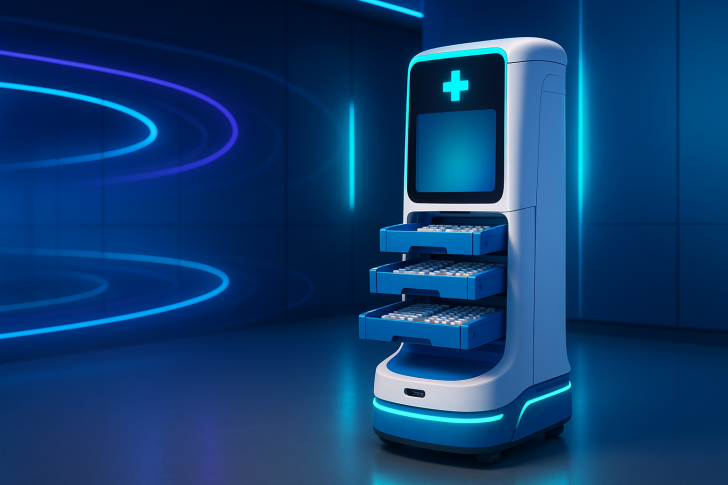
Emancro Robotics launched EASO, an autonomous humanoid robot that automates medication management in hospitals, marking another advancement in practical healthcare robotics.
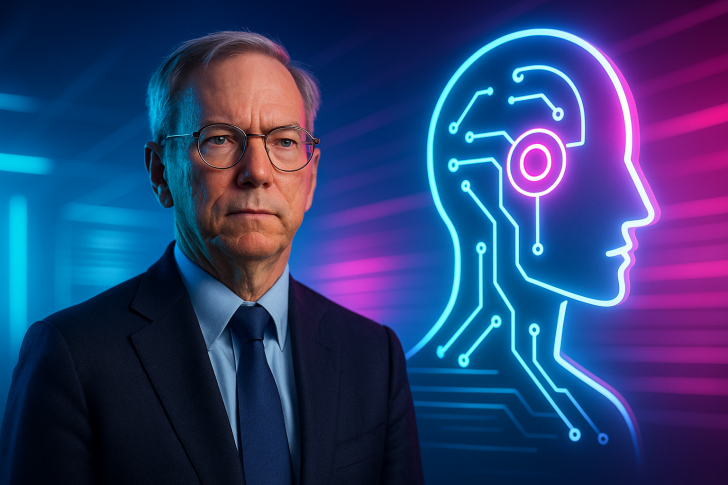
Former Google CEO Eric Schmidt says AI systems need to enhance human freedom, not restrict it. Public acceptance hinges on whether AI can handle emergencies responsibly while protecting civil liberties.
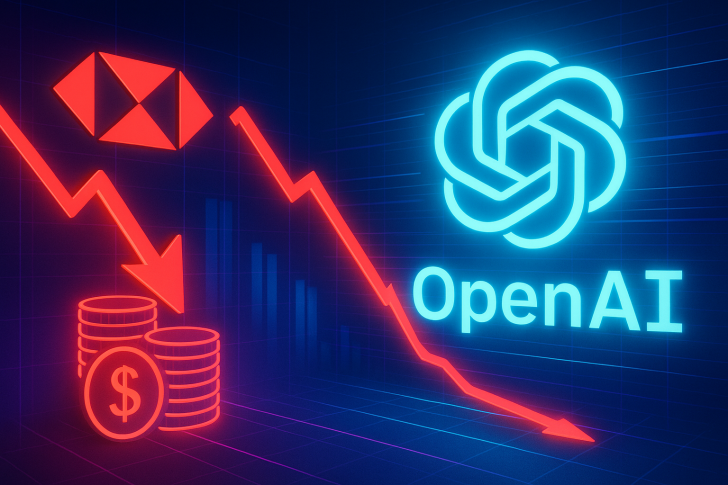
HSBC analysts predict OpenAI could rack up close to half a trillion dollars in operating losses by decade's end, raising serious questions about the sustainability of large-scale AI development backed by Microsoft (MSFT).
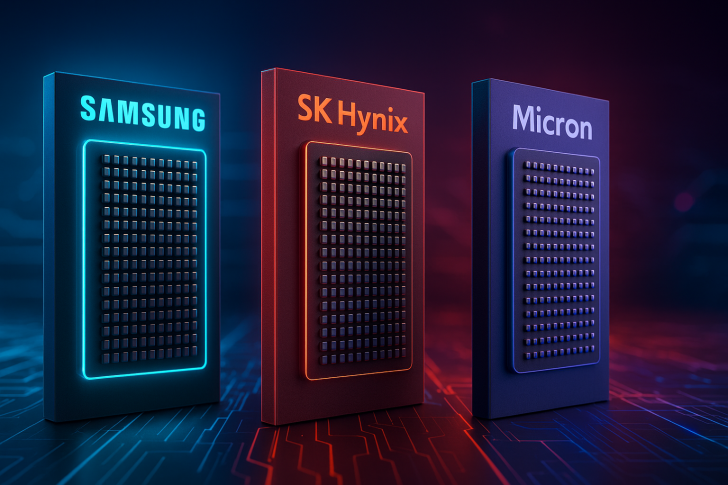
Fresh market analysis reveals Micron will supply only a fraction of Google's high-bandwidth memory needs through 2026, with Samsung and SK Hynix maintaining their stronghold on the market despite expectations of broader diversification.
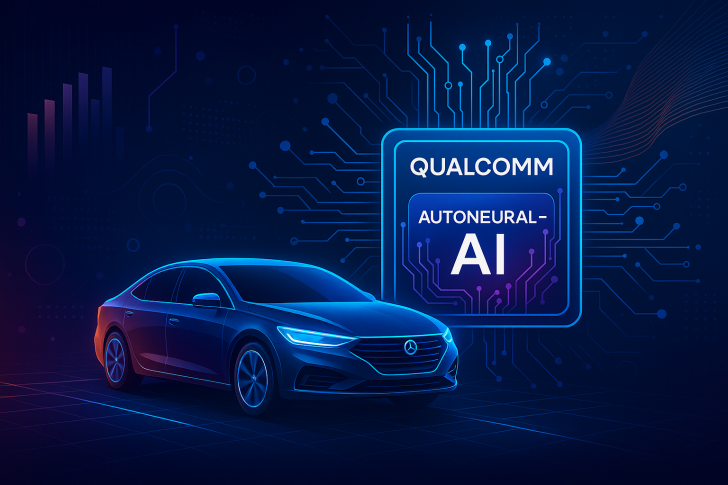
Qualcomm's new multimodal in-car AI model, AutoNeural-VL-1.5B, is now running locally in real vehicles with 100-millisecond response times, optimized for the SA8295P NPU.
We use cookies to improve your experience on our site and to show you relevant advertising. To find our more, read our privacy policy and cookie policy


 Alex Dudov
 Usman Salis
 Peter Smith
 Saad Ullah
 Eseandre Mordi
 Marina Lyubimova


 Victoria Bazir