1846 articles
CISA added a real-world exploited OpenPLC ScadaBR vulnerability to its Known Exploited Vulnerabilities list following an incident where attackers compromised a simulated water-plant system in less than 26 hours, disabling security logs and alarms.
A new open-source experiment reveals evolutionary strategies achieving significantly faster early progress than traditional backpropagation when training neural networks on two-digit multiplication tasks.
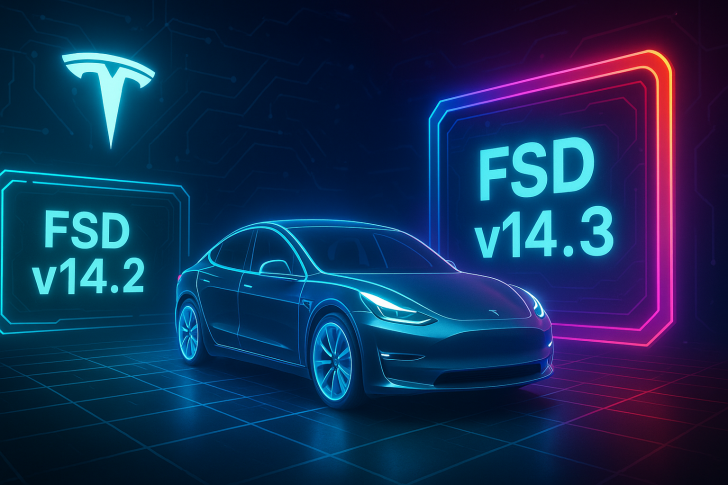
Tesla released FSD v14.2. The release brought stronger gains than expected, though it looked like a small update. Work on v14.3 is now under way - that version is likely to add larger advances in self driving.
SpaceX Starlink released fresh facts on its Direct-to-Cell safety option. The option lets a phone send an emergency text where no cellular signal exists. The service has already saved lives in three countries.
Google rolled out a Budget Tracker system that helps AI agents use their tool-call resources smarter. The update delivers better planning and accuracy in tasks where models typically burn through budgets without getting better results.
Lemonade (LMND) spiked after revealing impressive growth metrics powered by AI automation. The company added a million customers, tripled revenue, and increased gross profit tenfold without raising operating costs.
GigaAI launched GigaWorld-0, a world-model system generating massive amounts of synthetic robot training data. The platform lets robots learn tasks purely through simulation instead of depending on scarce real-world examples.
Both AI giants dropped a massive wave of updates spanning new models, productivity tools, and enterprise features—marking one of their busiest release cycles of 2025.
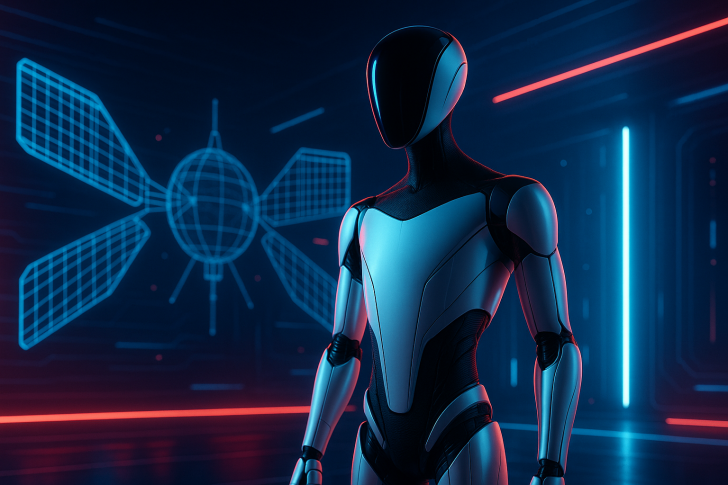
Elon Musk just dropped a wild vision for Tesla's Optimus robot, calling it a future "Von Neumann probe" that could replicate itself and operate autonomously on Earth and beyond. The comment lit up social media and sparked serious discussions about where advanced robotics is headed.
A federal judge just ruled that OpenAI has to hand over internal chats about deleting two major book datasets. This decision gives authors stronger ammunition to argue willful copyright infringement and opens up the company's data practices to serious scrutiny.
SoftBank's dropping $5.4 billion to grab ABB's robotics business, making a massive bet on AI-powered automation and humanoid tech becoming the next big thing.
McKinsey's new report reveals AI-driven automation could fundamentally transform U.S. labor markets and generate up to $2.9 trillion in economic value by 2030, with AI fluency becoming the fastest-growing job requirement nationwide.
Grok 4.1 Fast jumped from 253B to 334B tokens in just 24 hours, marking its highest daily usage ever recorded on OpenRouter. The rapid spike pushed the model to the top of the platform's activity charts.
DeepSeek released an AI that reasons about mathematics. The program writes a proof, checks the proof and fixes any error without human help. It took the 2024 Putnam test plus earned 118 points from a possible 120. It also beat the top models in the main math contests.
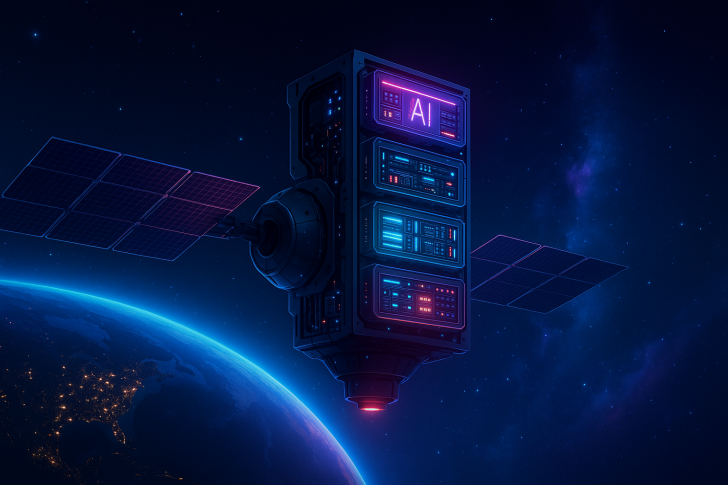
Google continues to work on a plan to place an artificial intelligence data center in orbit. The facility would draw power from large solar panels and would exchange data with Earth through laser links. The project suggests that computing hardware might one day operate in space instead of on the ground.
Micron Technology is putting nearly $9.6 billion into a new high-bandwidth memory plant in Hiroshima to boost its foothold in the AI memory space. Japan is backing the project with up to 500 billion yen in subsidies.
A worldwide test that covered eight elections showed that five large AI systems lean toward centre left policies - Grok-4 alone matched the real results voters produced.
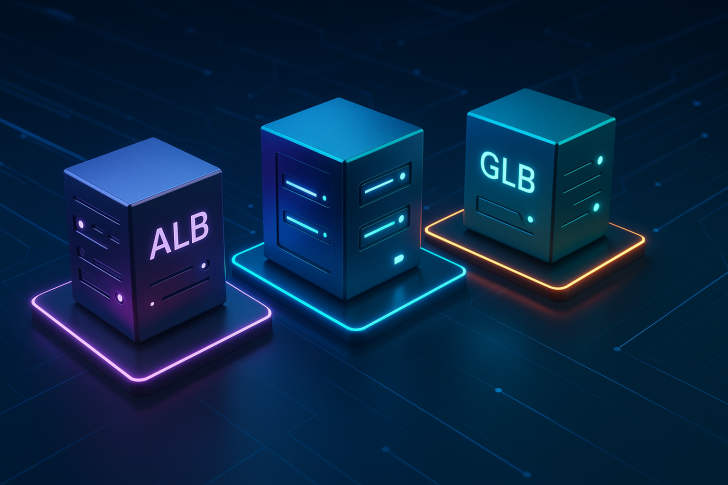
Amazon Web Services is addressing confusion around its three main load balancers as cloud architects increasingly encounter performance issues from choosing the wrong configuration for their infrastructure needs.
Docker is getting fresh attention as developers rediscover why persistent storage matters in containerized environments. Volumes are emerging as the go-to solution for keeping data alive beyond individual container lifecycles.
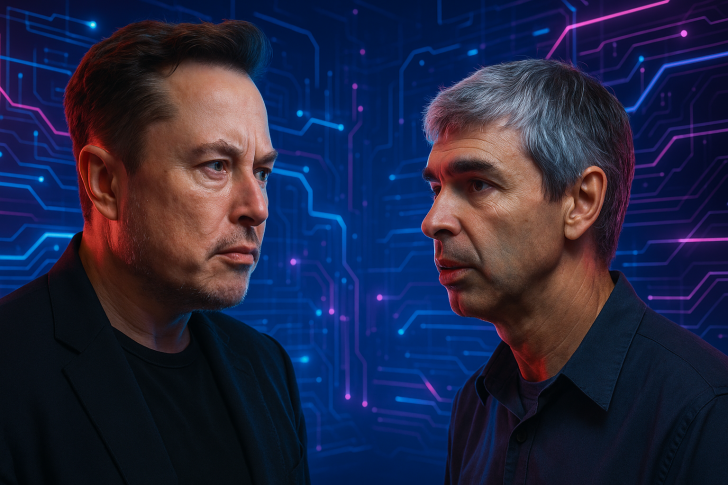
Elon Musk shared new details about a past dispute with Google co-founder Larry Page regarding AI safety. Concerns about centralized AI power motivated him to help create OpenAI.
We use cookies to improve your experience on our site and to show you relevant advertising. To find our more, read our privacy policy and cookie policy


 Artem Voloskovets

 Peter Smith
 Marina Lyubimova
 Usman Salis

 Alex Dudov

 Saad Ullah
 Eseandre Mordi