1846 articles
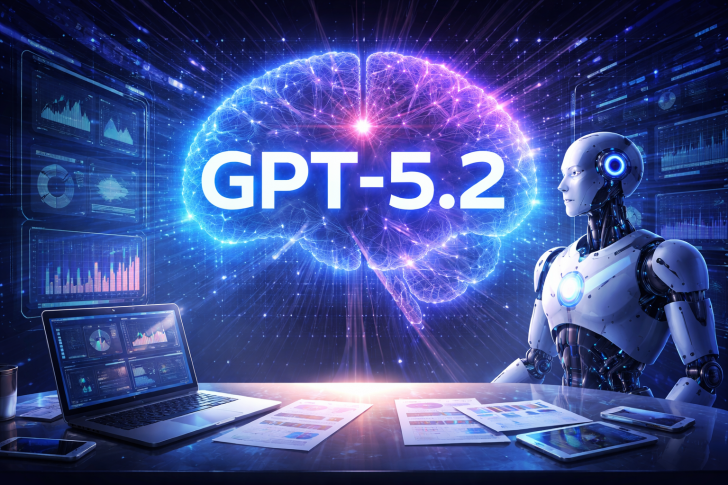
OpenAI's latest benchmark shows GPT-5.2 Thinking now matches or outperforms human experts across most real-world professional work, completing tasks 10x faster at 1% of the cost.
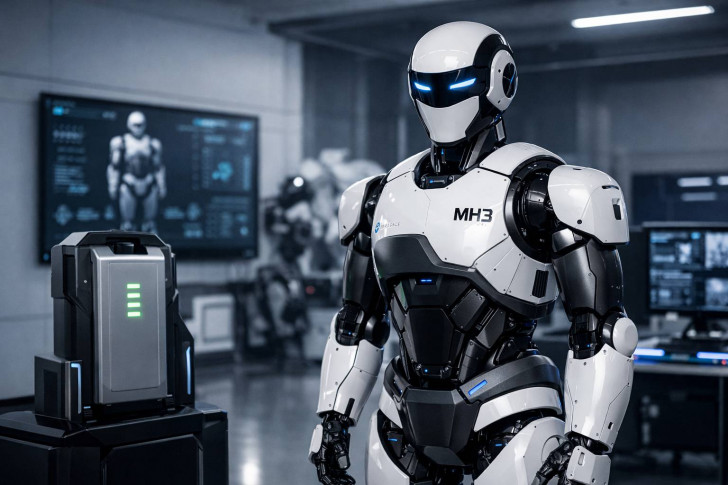
Mirsee Robotics is developing its third-generation humanoid robot, MH3, focused on remote human operation in hazardous environments rather than full AI autonomy, featuring 10-hour battery life and over 30 degrees of freedom.
Oracle and OpenAI just scored Michigan's approval to power a massive AI data center that'll need as much electricity as a nuclear reactor—marking one of America's biggest AI infrastructure bets yet.
Mistral just dropped OCR 3, and it's beating every other document reader on the market—both old-school enterprise tools and newer AI systems—across forms, invoices, handwriting, and more.
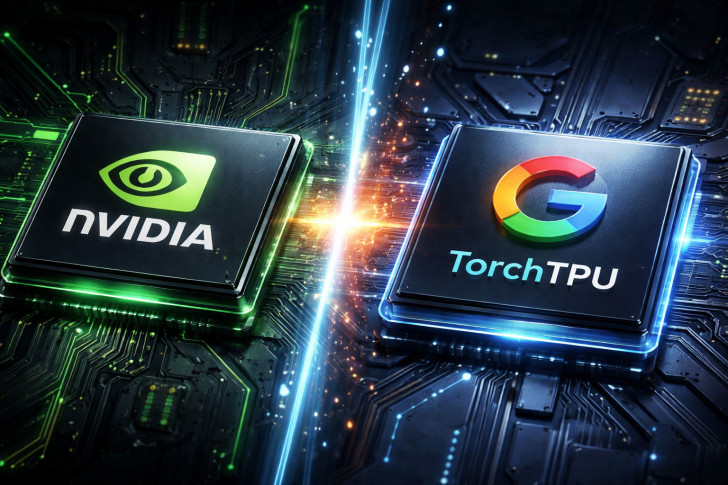
Google is building software that could let AI developers bypass Nvidia's ecosystem entirely. The move targets CUDA, the platform that's kept Nvidia ahead for years, and could reshape the $500 billion AI chip market.
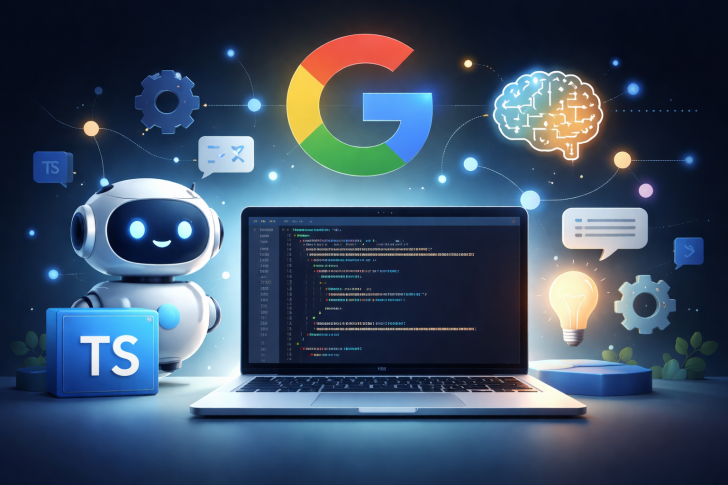
Google released the Agent Development Kit for TypeScript, an open-source framework that lets developers build AI agents using a code-first approach with familiar programming tools.
Echo-N1 introduces a groundbreaking affective reinforcement learning approach that enables AI systems to recognize and respond to human emotions with genuine empathy across conversations.
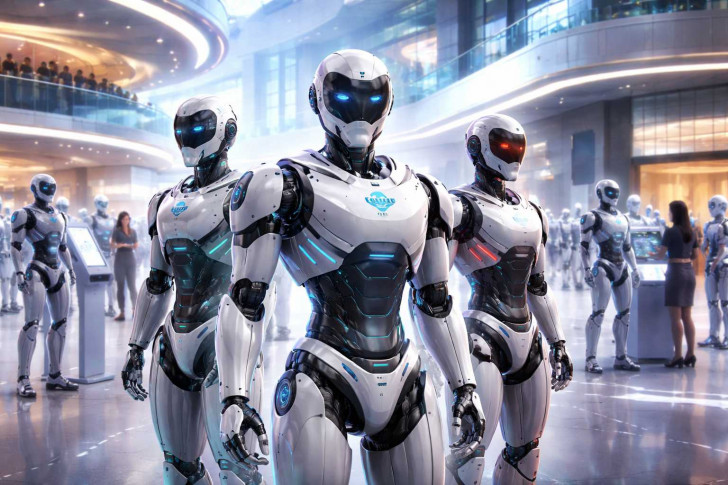
Zerith Robotics now produces over 100 wheeled humanoid robots monthly and has rolled them out to 20+ real-world locations across China, including airports, hotels, and shopping centers.
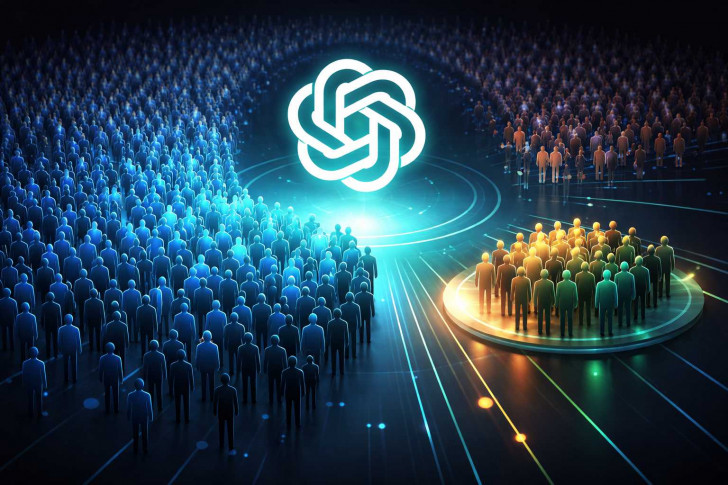
ChatGPT's weekly active users surged to hundreds of millions while paid subscriptions lagged significantly behind, with only about 5 users paying for every 100 active users, according to analysis from The Information.
OpenAI's infrastructure-first strategy reveals how compute capacity directly drives product quality and revenue growth, with power and data center access emerging as the primary bottleneck rather than market demand.
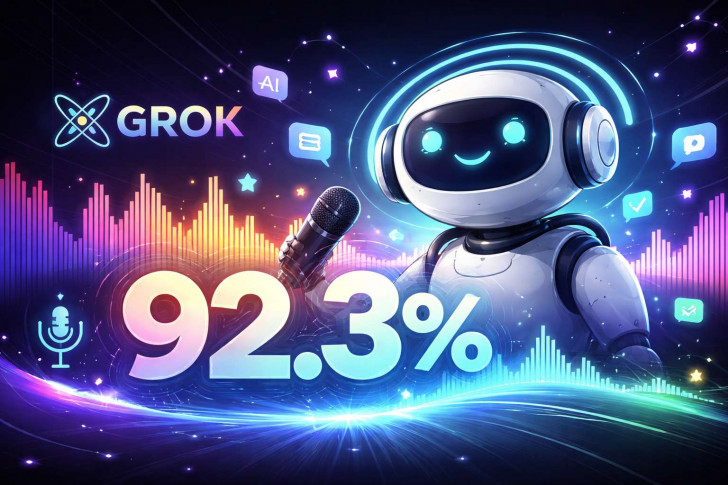
xAI just dropped Grok Voice Agent, their first public speech-to-speech API, and it's already crushing the competition with the highest score ever recorded on Big Bench Audio. The model beat out heavy hitters from Google and OpenAI in speech reasoning performance.
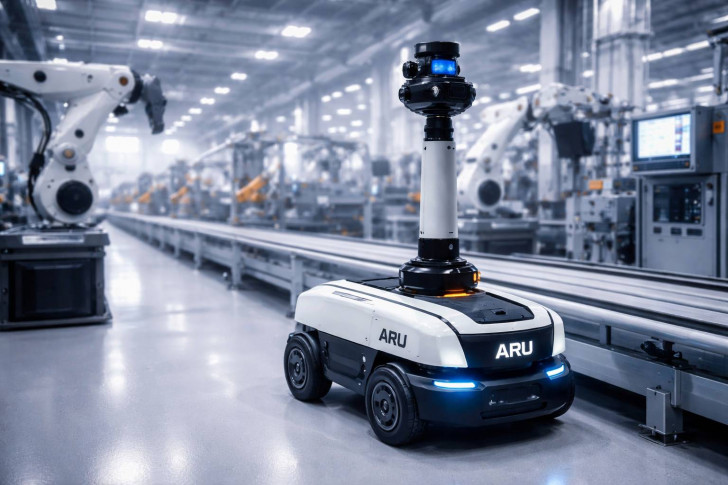
France's Nio Robotics just rolled out the Aru Robot, a specialized machine built to handle inspection and maintenance work in industrial settings. The system aims to automate operations in challenging factory environments.
Mistral launched Mistral Small Creative, a specialized lightweight language model built for creative writing, roleplay, and conversational AI. The model offers a 32,000-token context window, competitive pricing, and speeds reaching 237 tokens per second.
Microsoft's Agent Lightning is a new open source framework that lets developers add reinforcement learning capabilities to AI agents without touching their existing code, making advanced AI training more accessible.
China is rolling out AI-powered health kiosks that can check your symptoms, run basic tests, and even dispense medication—all without a single doctor present.
Google's Gemini 3 Flash delivered 73% accuracy with blazing 3.2-second processing speeds in demanding long-context agentic tests, matching Claude Opus 4.5 while running significantly faster.
Tencent has released HY-World 1.5 WorldPlay on Hugging Face, launching the first open-source interactive world model that generates real-time 3D environments at 24 frames per second from text or images.
Google's latest study pinpoints the exact point at which enlarging a team of AI agents quits paying off. The work shows that two factors govern the break even point - first, the rising overhead of getting the agents to synchronise and second, the way one agent's mistake is passed on to the rest. Once those two costs outweigh the benefit of an extra agent, further additions lower the system's overall performance.
Google's Gemini 3 Flash now matches the scores of GPT-5.2 and Claude 4.5 Sonnet on Vending-Bench 2 plus it clearly surpasses the results of all earlier model versions.
Google has released Gemini 3 Flash, its newest AI model. Tests show it performs better than earlier Gemini models on reasoning tasks and on benchmarks that measure how well the system handles text, images plus other data types.
We use cookies to improve your experience on our site and to show you relevant advertising. To find our more, read our privacy policy and cookie policy


 Saad Ullah
 Eseandre Mordi
 Marina Lyubimova

 Usman Salis


 Sergey Diakov
 Alex Dudov

 Victoria Bazir

 Peter Smith