114 articles
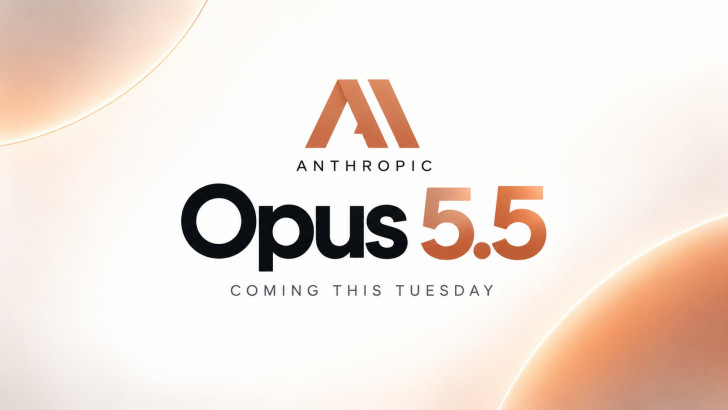
Anthropic is set to release Opus 5.5 this Tuesday, bringing a 20% price reduction and improved performance in 3D and frontend tasks compared to Opus 5.1. The new model, tested under the codename claude-wafer-eap, features an 872K context window and aims to compete with models like GPT-6 Sol.
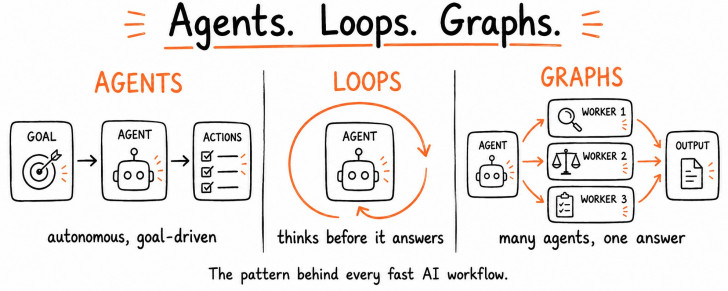
A one-hour Anthropic workshop teaching Loop engineering, turning a single prompt into a self-improving loop, is gaining attention online, with viewers pointed to specific timestamps covering memory, build cycles, and building an MVP in under an hour.
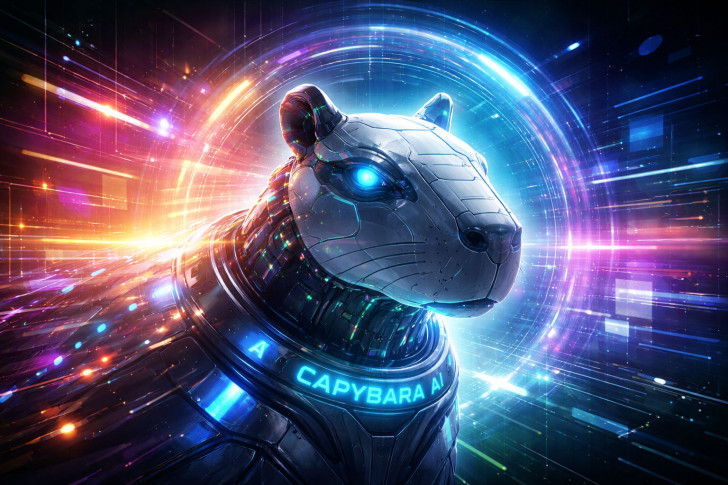
Anthropic introduces a new AI model tier called Capybara, surpassing its Opus models. The system shows major performance gains across coding, reasoning, and cybersecurity.
Anthropic surpassed OpenAI in enterprise AI adoption, capturing 73% of new clients in just two months.
Ex-Anthropic team raises $175M for Mirendil, an AI startup targeting breakthroughs in biology and materials science.
Anthropic introduced Code Review for Claude Code, deploying multiple AI agents to analyze pull requests and cut review time as AI-generated code surges across dev teams.
A new Anthropic study shows AI could theoretically perform most white-collar job tasks, yet real-world adoption remains far below that potential across nearly every profession.
Anthropic partnered with Mozilla to test whether its Claude AI model could detect security vulnerabilities in Firefox. The system identified 22 bugs in two weeks, including 14 classified as high-severity.
New data suggests Anthropic's Claude rapidly gained dominance in the U.S. enterprise AI chat market over the past year, marking one of the fastest adoption swings in the generative AI sector.
Anthropic rolled out a free interactive prompt engineering course with hands-on Claude notebooks that's already racked up more than 31,900 stars on GitHub, showing massive developer interest.
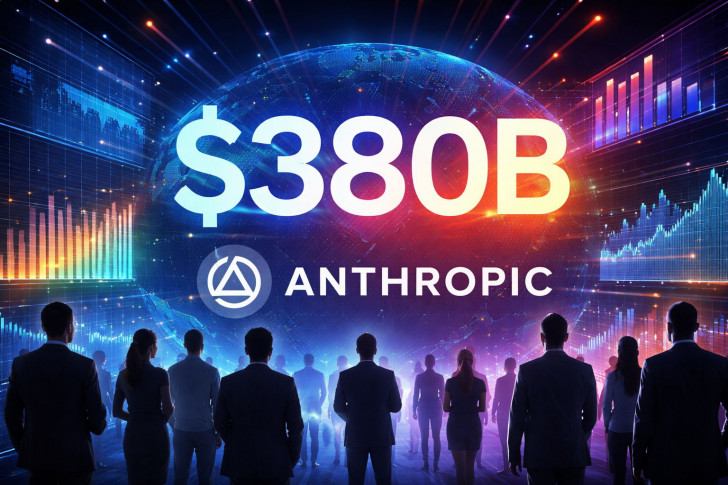
Anthropic's valuation has exploded from $4 billion to $380 billion, prompting questions about how public market participants can gain exposure. A breakdown highlights key tech companies positioned around Anthropic's growth.
Google Trends data from late February shows a sharp but short-lived surge in Anthropic searches following a U.S. agency usage ban report, while OpenAI held steady. Both brands ended the week with an equal average score of 26 - revealing how social media noise can distort real market signals.
Claude Opus 4.6 and other advanced AI models are hitting task completion milestones faster than anyone expected. New METR data shows capability gains accelerating well beyond earlier projections, with doubling time shrinking from seven months to roughly four.
Anthropic has accused DeepSeek, Moonshot AI, and MiniMax of creating over 24,000 fraudulent accounts and running more than 16 million interactions to extract capabilities from Claude, framing it as both an IP violation and a national security concern.
New research shows Anthropic's revenue growth rate outpacing OpenAI's since both passed $1 billion annualized revenue. The projection suggests Anthropic may surpass OpenAI by mid-2026 if current trends continue.
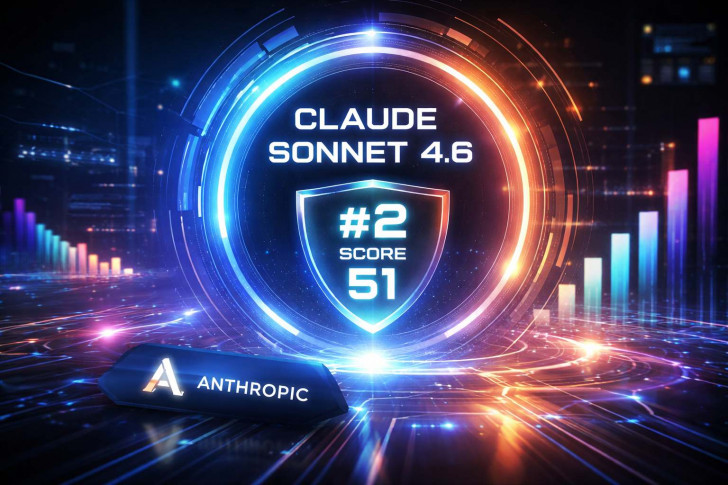
Anthropic's Claude Sonnet 4.6 landed second in the Artificial Analysis Intelligence Index, tying GPT-5.2 at 51 points and finishing just behind Claude Opus 4.6, giving Anthropic an unprecedented hold on the top two spots.
A new benchmark comparison highlights token efficiency differences among leading AI models. Future OpenAI models may narrow the gap with Anthropic systems.
The U.S. Department of Defense is reassessing its relationship with Anthropic following tensions over the company's strict limits on military AI applications.
Anthropic landed $30 billion in fresh capital and announced $14 billion in annual run-rate revenue, with explosive growth in its Claude Code enterprise product.
Claude Code's latest update introduces multi-agent collaboration, allowing several AI assistants to work simultaneously on shared coding tasks with real-time coordination.
We use cookies to improve your experience on our site and to show you relevant advertising. To find our more, read our privacy policy and cookie policy


 Marina Lyubimova
 Peter Smith
 Eseandre Mordi
 Victoria Bazir

 Usman Salis




 Artem Voloskovets
 Saad Ullah