1662 articles
A developer test revealed GPT-5.1 needed almost two minutes to read a 500-line markdown file in one setup, while processing the same file in seconds using a different configuration. The findings have triggered debate about the model's performance reliability.
OpenAI's GPT-5.1 release is facing backlash for delivering only incremental improvements, with critics suggesting the company is holding back stronger internal models to appeal to mainstream users rather than maximizing performance.
Berkshire Hathaway purchased over 17.8 million shares of Alphabet, according to new commentary. The move coincides with a pullback toward the $260 area, where GOOGL holds a key technical gap.
Google Colab can now run natively inside Microsoft's VS Code, letting developers connect notebooks to Colab's GPU and TPU compute directly from the IDE. The integration streamlines AI and machine-learning workflows significantly.
The world's first mass delivery of humanoid robots has kicked off, marking a pivotal moment for the robotics industry as advanced automation moves from experimental trials to large-scale real-world deployment.
Grok Code Fast 1 reached a new all-time high on OpenRouter, climbing to nearly 240B tokens of daily usage—highlighting rapidly growing demand for xAI's coding-focused model among developers.
South Korean researchers introduce ProgRAG, a new retrieval framework that cuts down on AI hallucinations in knowledge-graph reasoning tasks. The system achieved a 10.9% accuracy improvement on the CR-LT benchmark through progressive evidence building.
ByteDance just dropped an AI coding assistant for only $1.30 a month, making it China's cheapest option and heating up the AI pricing battle even more.
OpenAI brought in around $6B during the first half of 2025 and reached a $13B annualized run rate by June. Despite strong growth, the company isn't on track to hit its $20B ARR goal by year-end.
Apple introduces strict new App Store requirements forcing developers to disclose third-party AI data sharing and obtain explicit user consent, marking the company's strongest privacy stance in the AI era.
Scientists have developed an AI system that can decode brain activity into natural language descriptions, capturing not just what people see but also what they imagine. Published in Science Advances on November 5, 2025, this breakthrough brings us closer to understanding how the brain translates thoughts into language.
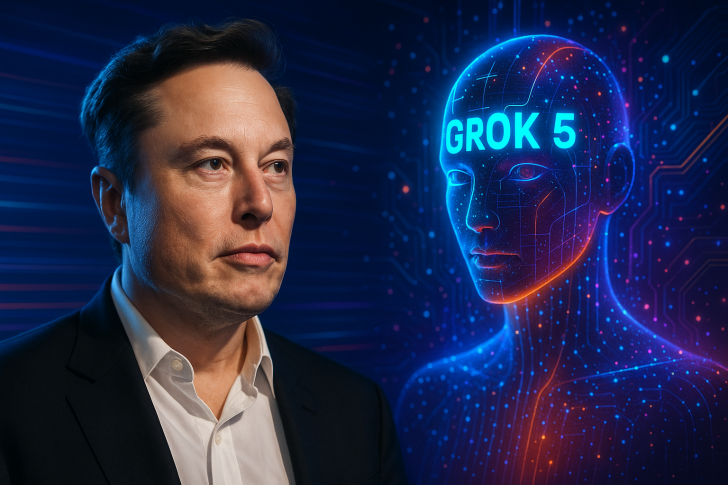
Elon Musk reveals Grok 5 will feature 6 trillion parameters, native multimodal capabilities, and advanced tool use, potentially reshaping the competitive AI landscape.
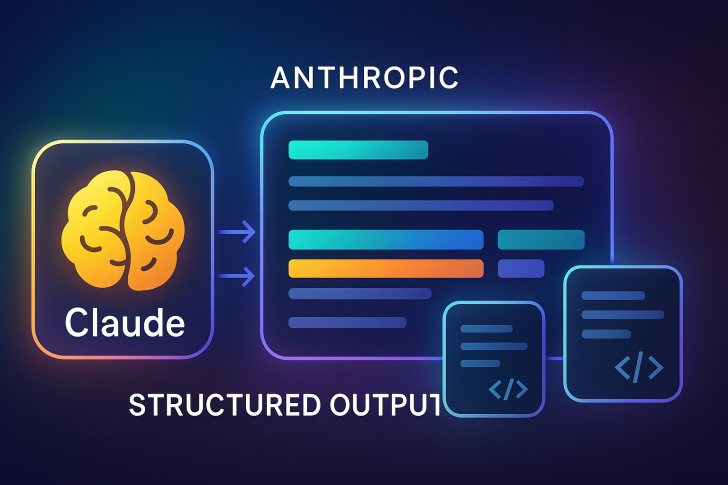
Short Description Anthropic launched structured outputs in public beta for Claude Sonnet 4.5 and Opus 4.1 through its Developer Platform API, giving developers better control over response formatting and schema alignment.
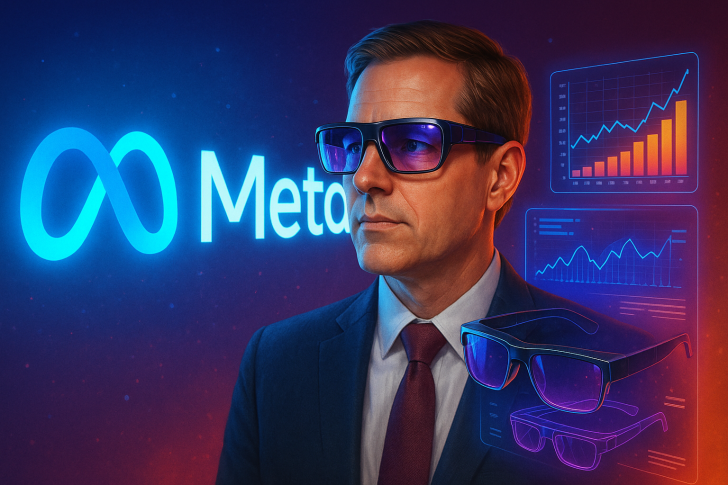
Meta's CFO revealed the company is making AI glasses a top priority in the 2026 Reality Labs budget after multiple stockouts showed stronger-than-expected demand. The division hasn't shared a specific outlook for operating losses yet.
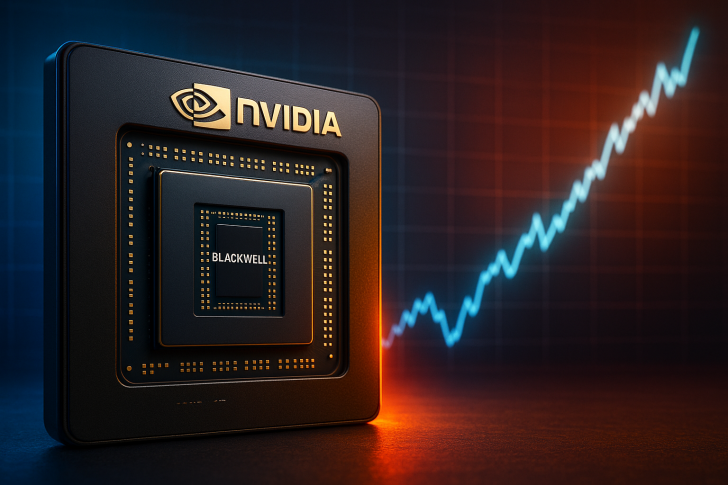
Morgan Stanley raised its outlook and target price for Nvidia after identifying a strong acceleration in Blackwell GPU shipments and improving supply-chain conditions. Analysts say demand is running ahead of market expectations.
Chinese researchers unveiled an optical quantum chip delivering over 1,000× faster performance on complex computational tasks, potentially transforming AI data center economics and accelerating the global race for next-generation computing power.
Thinking Machines Lab, led by Mira Murati, is in early talks to raise funding at a $50 billion valuation—more than four times what it was worth just months ago.
Disney announced during its latest earnings call that Disney+ will support user-generated content and that the company has been in "productive conversations" with AI firms—possibly including discussions about OpenAI's Sora model.
OpenAI's GPT-5.1 has claimed the top spot in the Artificial Analysis Intelligence Index with a score of 70, beating GPT-5 by two points. The upgrade brings modest gains in measured intelligence and better efficiency on key benchmarks.
OpenAI has released GPT-5.1 to the API, delivering adaptive reasoning, major speed improvements, and new developer tools. The upgrade reduces token usage, enhances coding performance, and expands prompt-caching capabilities.
We use cookies to improve your experience on our site and to show you relevant advertising. To find our more, read our privacy policy and cookie policy


 Usman Salis
 Saad Ullah
 Eseandre Mordi
 Peter Smith

 Sergey Diakov