1846 articles
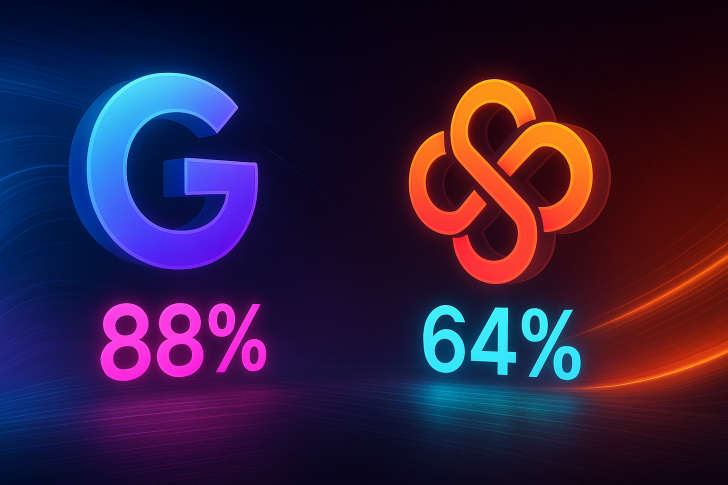
Fresh benchmark data reveals that Grok 4 models produce significantly fewer hallucinations than Alphabet's Gemini 3 Pro, with the newest Grok 4.1 cutting error rates by three times compared to earlier versions.
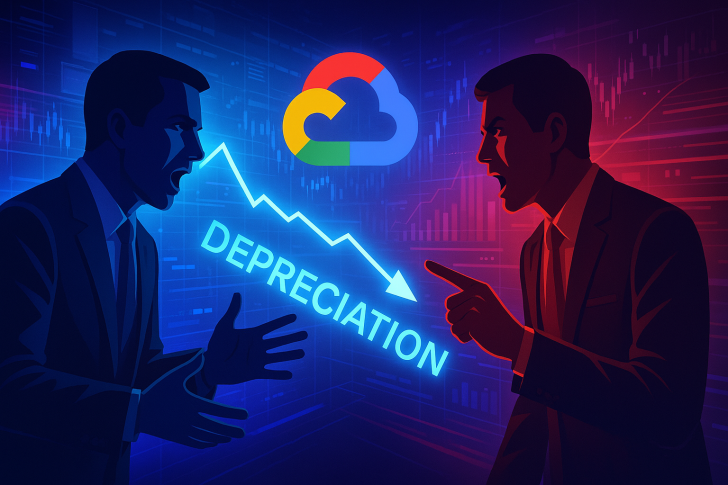
David Friedberg disputed Michael Burry's concerns about hyperscaler depreciation practices, arguing that GPUs and TPUs at companies like $GOOGL remain fully operational for 7-8 years, justifying extended depreciation schedules.
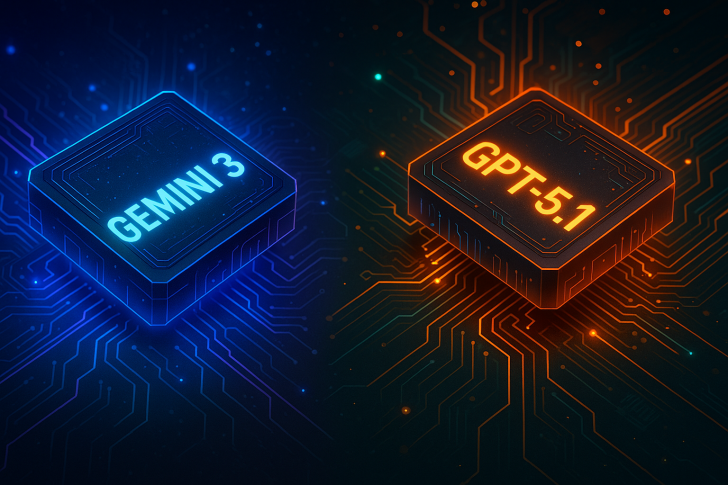
Fresh benchmark projections suggest Google's Gemini 3 could beat GPT-5 and GPT-5.1 on several advanced reasoning and scientific tests. Early Deep Think results also reveal strong improvements in structured thinking.
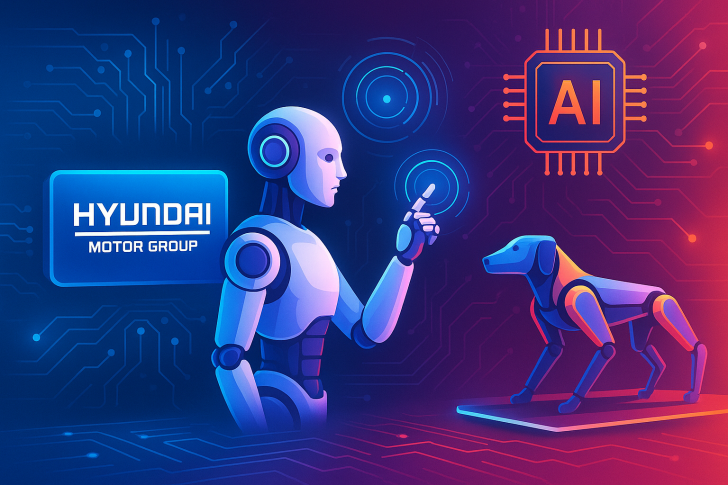
Hyundai Motor Group revealed a KRW 50.5 trillion investment plan targeting robotics, AI infrastructure, and smart manufacturing. The initiative includes building a new Robotics Foundry and Physical AI data centers.
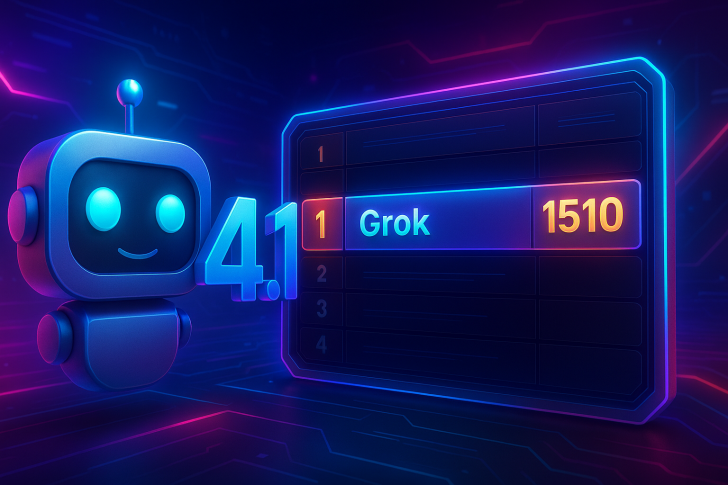
xAI's Grok 4.1 (Thinking) has climbed to the top of the Arena Expert Leaderboard, beating Claude Sonnet, GPT models, and Google's Gemini. The launch comes with promises of faster performance and better output quality.
Google has released Gemini 3.0, with early testers calling it the strongest model they've evaluated so far. The update raises competitive pressure across the advanced AI model landscape.
Microsoft, NVIDIA, and Anthropic have launched a major AI partnership involving multibillion-dollar investments, large-scale cloud expansion, and deep technical collaboration. The agreement positions Claude as a fully integrated frontier model across major cloud ecosystems.
Abacus AI overtakes all competitors on Terminal Bench 1.0, scoring 62.3% by strategically combining Sonnet 4.5 and GPT-5 models for optimal coding performance.
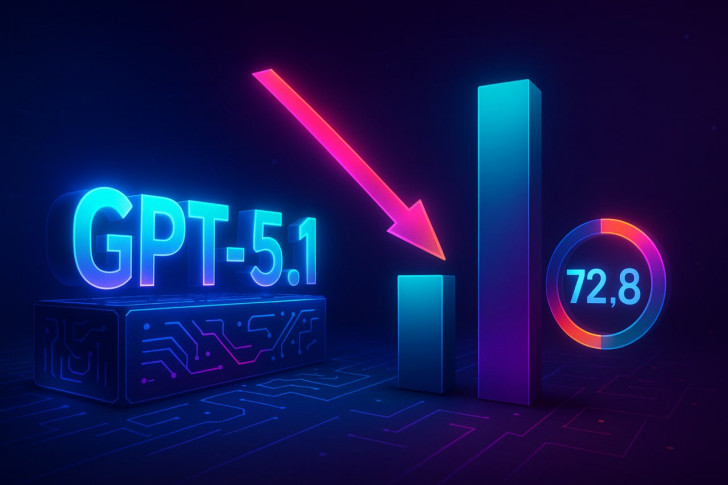
Fresh benchmark data reveals GPT-5.1 cuts intelligence costs by 300× compared to o3-preview while maintaining strong performance at 72.8% on ARC-AGI-1. Sam Altman admits he underestimated how fast AI intelligence would become affordable.
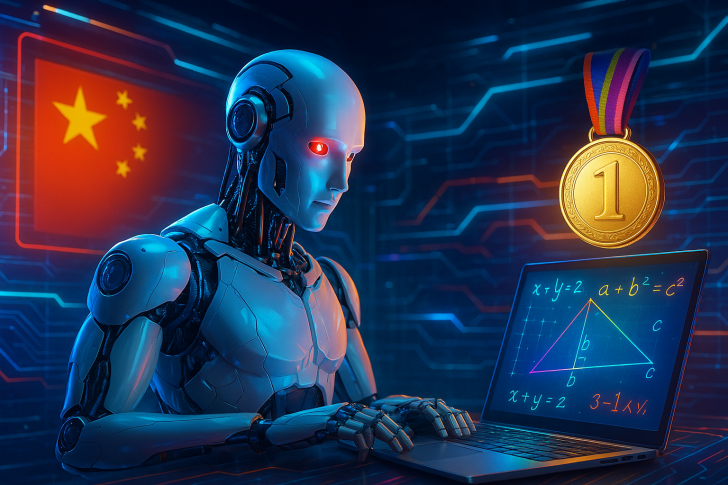
Chinese researchers unveiled SciAgent, a multi-agent AI system that solves Olympiad-level problems in math, physics, and chemistry, achieving gold-medalist scores across multiple international competitions.
Traders are pulling back before Nvidia's Wednesday earnings and Thursday's delayed jobs report. Meanwhile, escalating AI infrastructure spending plans are fueling fresh questions about whether massive investments will actually pay off. A near-even split among hedge funds reflects the uncertainty surrounding NVDA's future.
Recent Hugging Face data reveals Alibaba's Qwen models are generating significantly more derivative uploads than U.S. and European AI foundations. The trend suggests that cost, efficiency, and ease of use are increasingly outweighing geopolitical and cybersecurity concerns for AI customers worldwide.
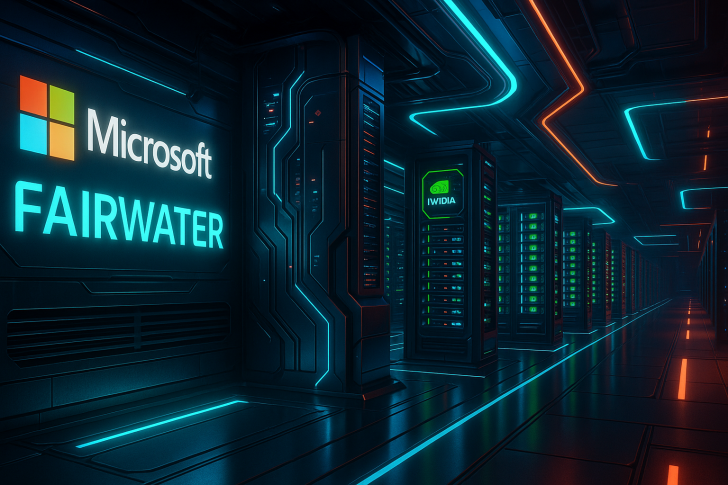
Microsoft unveiled Fairwater, a massive AI superfactory developed alongside OpenAI. The facility brings online GPU power matching approximately 1.2 million H100-class units across Microsoft's worldwide infrastructure.
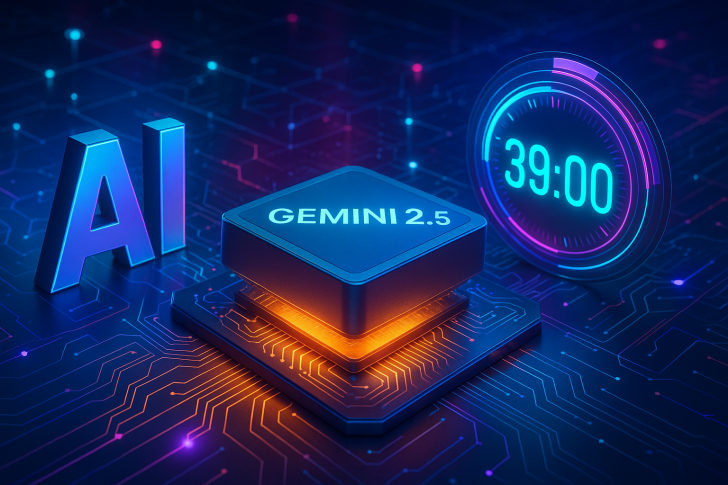
Google's Gemini 2.5 posted a 39-minute result on the METR benchmark, falling short of the performance curve set by leading AI models. Early projections suggest Gemini 3 might reach around 2.7 hours.
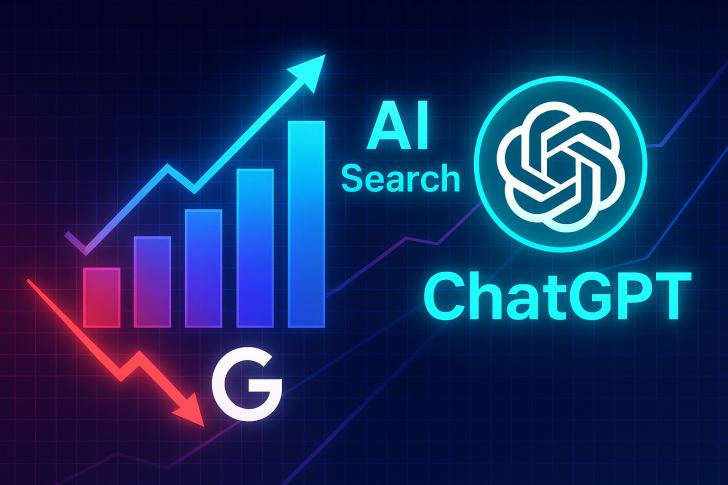
ChatGPT is climbing fast in the search game, and brands are scrambling to keep up. A new chart shows it could surpass Google by 2027, forcing companies to rethink how they get found online.
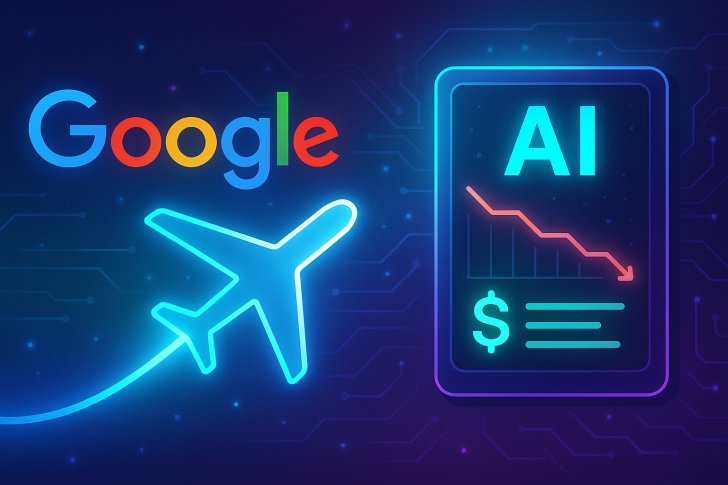
Google (GOOGL) has launched its AI Flight Deals tool globally, covering over 200 countries and 60+ languages. The expansion comes as Expedia (EXPE) and Booking Holdings (BKNG) shares declined during the trading session.
Klarna founder Sebastian Siemiatkowski warns that trillion-dollar AI infrastructure investments may be excessive as model efficiency improvements could reduce the need for massive data-center expansion.
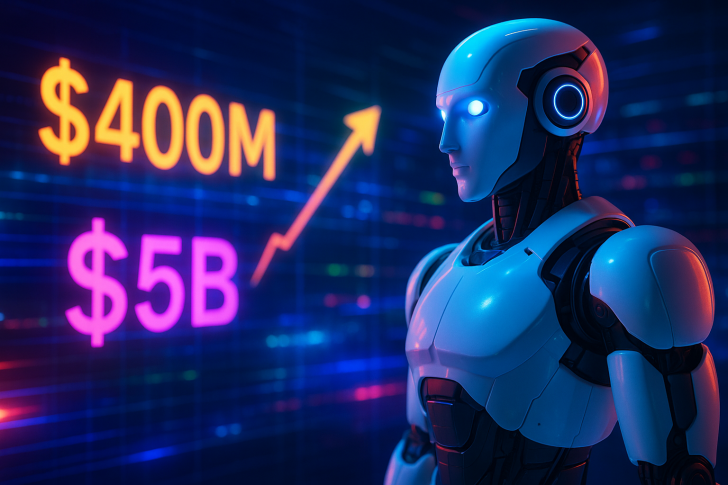
Apptronik is close to securing at least $400 million in new funding led by B Capital, with the robotics company potentially being valued at $5 billion pre-money.
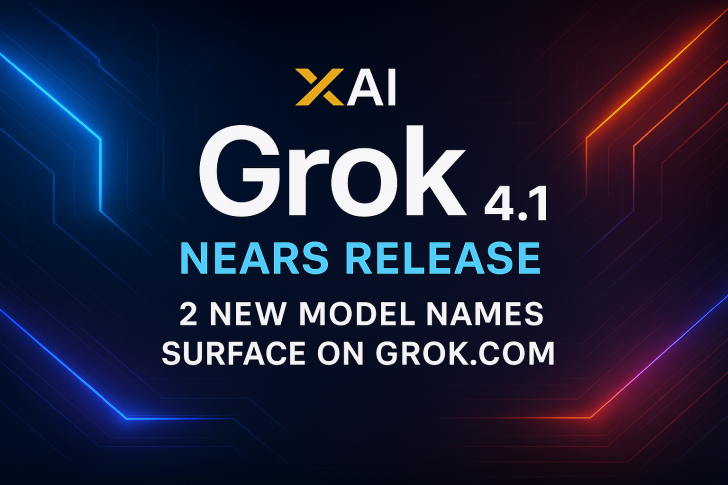
xAI is testing multiple Grok 4.1 versions on third-party platforms while two new model identifiers have surfaced in Grok.com's source code. The update is positioned as an incremental improvement, with significant performance gains expected in the future Grok 5 release.
Google DeepMind rolled out WeatherNext 2, an AI-powered weather forecasting system that's significantly faster and more precise than its predecessor. The model generates hundreds of weather scenarios in under 60 seconds and is now integrated with Earth Engine, BigQuery, and available through early access on Vertex AI.
We use cookies to improve your experience on our site and to show you relevant advertising. To find our more, read our privacy policy and cookie policy


 Eseandre Mordi
 Saad Ullah
 Sergey Diakov
 Peter Smith
 Usman Salis
 Artem Voloskovets
 Alex Dudov
 Marina Lyubimova