1846 articles
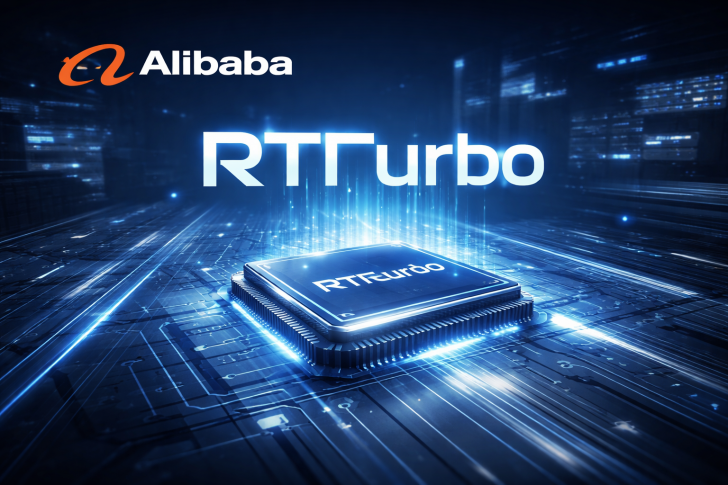
Alibaba's new RTPurbo technique dramatically reduces the computational power needed for long-context AI models, slashing attention compute requirements to just 15% while delivering 5x efficiency improvements without sacrificing accuracy.
Dr. Fei-Fei Li emphasized that artificial intelligence is fundamentally human-driven technology, urging everyone to care about AI since it will shape daily life, society, and future generations.
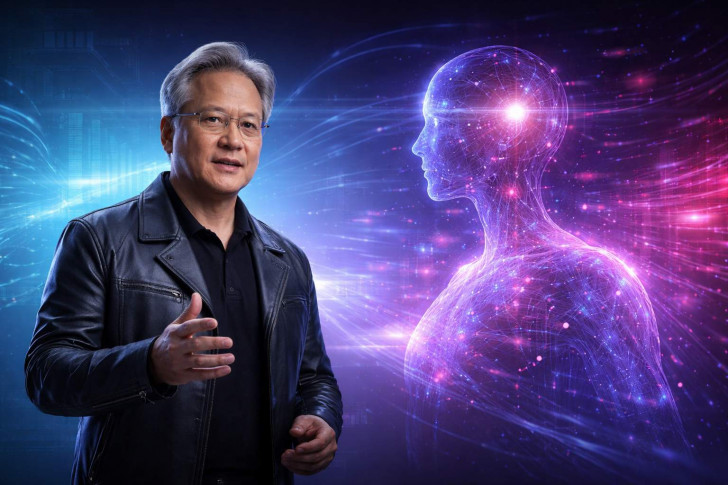
NVIDIA CEO Jensen Huang says the AI industry is moving from generative AI toward "agentic AI," where intelligent systems act autonomously and increasingly extend into industrial and robotics applications.
MiniMax's newly released M2.1 model has broken into the top tier of open-weights AI systems, securing a spot in the top five on the Artificial Analysis Intelligence Index with a 64-point score while offering competitive pricing and efficient token usage.
A fresh research paper unveils DiffThinker, a diffusion-powered AI system that tackles visual reasoning challenges by creating images rather than text. Researchers say it crushed GPT-5 and Gemini-3-Flash across seven benchmark tests.
China has introduced an AI-powered flying LED display that hovers mid-air using drone propulsion and gyroscopic stabilization, creating what's being called a "sky screen" capable of projecting HD visuals without ground support.
Morgan Stanley Research projects a dramatic shift in AI semiconductor demand, with inference chips expected to capture approximately 80% of cloud data center AI spending by 2030, fundamentally reshaping the AI hardware landscape.
Google DeepMind launched the Gemini Interactions API in beta—a unified interface for Gemini models and AI agents—with plans to prioritize agent-focused features through 2026.
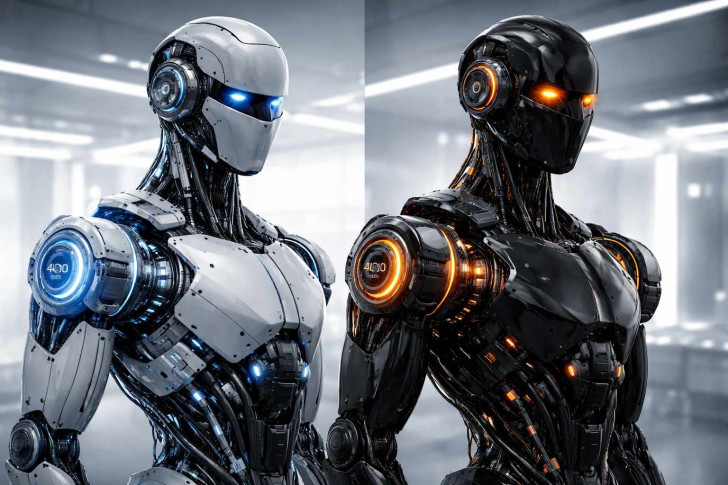
BOSHIAC and Harbin Institute of Technology launched two humanoid robots with 7-DoF robotic arms, 400 Nm torque joints, and AI-powered control systems for industrial and service applications.
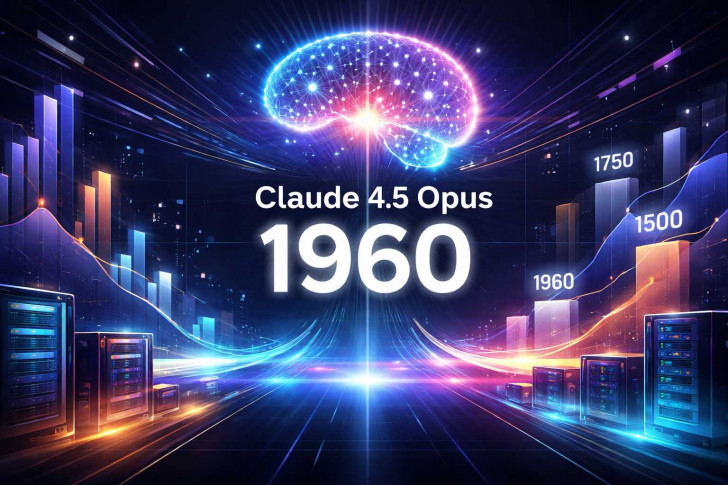
New benchmark ratings reveal Anthropic's Claude 4.5 Opus Thinking model achieving a 1960 rating—implying over 99% theoretical win-rate versus Claude 3 Opus—as AI model evaluation systems move toward standardized comparison frameworks.
Epoch AI's latest research reveals that AI systems could exhaust the entire supply of public human-generated text by 2028, with over-training issues potentially emerging as early as 2027.
A leading Chinese AI research lab has unveiled an open-source "Agentic Learning Ecosystem" (ALE) and ROME framework designed to overcome current limitations in AI agent infrastructure through continuous learning and feedback loops.
Edge AI's rapid development poses the biggest long-term challenge to AI data center growth, as devices increasingly run models locally at zero marginal cost instead of relying on expensive cloud infrastructure.
Sentient has introduced ROMA, an open-source meta-agent framework designed to manage hierarchical AI task execution through recursive planning and aggregation. The framework is built to make multi-agent coordination and workflow design easier for developers.
Chinese AI labs have introduced the Agentic Learning Ecosystem (ALE) alongside the ROME model—an open-source framework designed to improve how AI agents execute tasks, receive feedback, and learn across real-world environments.
A viral chart reveals AI models are simultaneously achieving dramatic performance improvements and cost reductions, with capabilities reaching PhD-level benchmarks while operational costs plummet from early 2023 through late 2025.
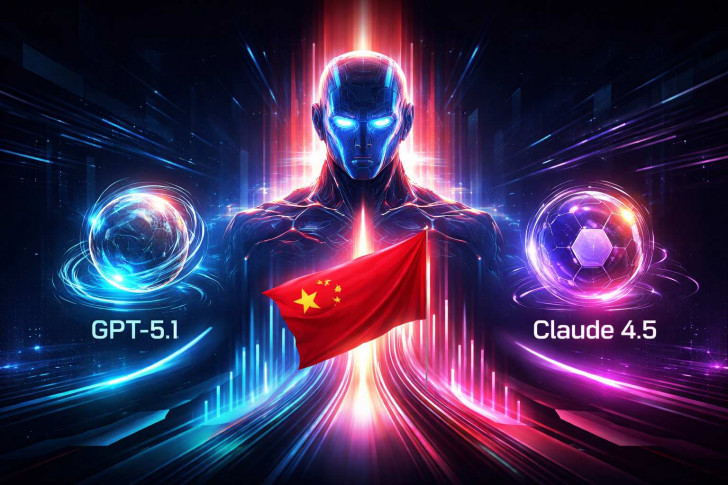
China's new open-source coding model IQuest-Coder has outperformed GPT-5.1 and Claude Sonnet 4.5 on several major coding benchmarks, hitting 81.4% on SWE-Bench Verified and 81.1% on LiveCodeBench v6—all while running on just 40 billion parameters.
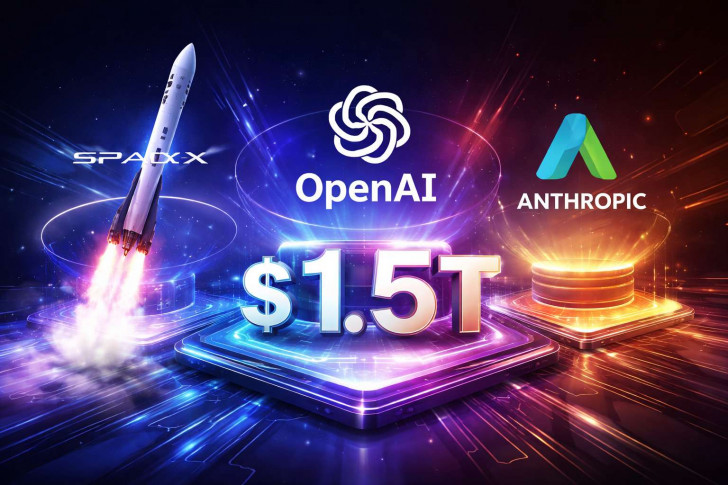
SpaceX, OpenAI and Anthropic are reportedly preparing potential IPOs as early as 2026, with combined valuations that could exceed $1.5 trillion and capital raises in the tens of billions of dollars. Even one listing could surpass the entire 2025 US IPO market.
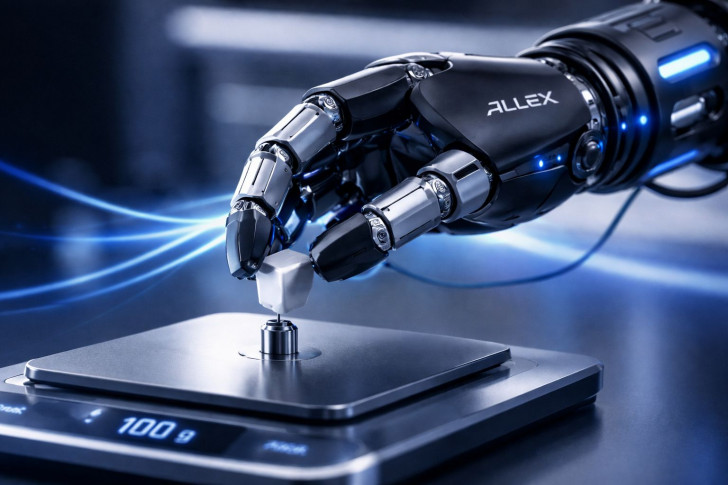
ALLEX's 15-degree-of-freedom robotic hand handles delicate micro-tasks with remarkable precision, sensing forces as light as 100 grams while ensuring safe interaction with humans.
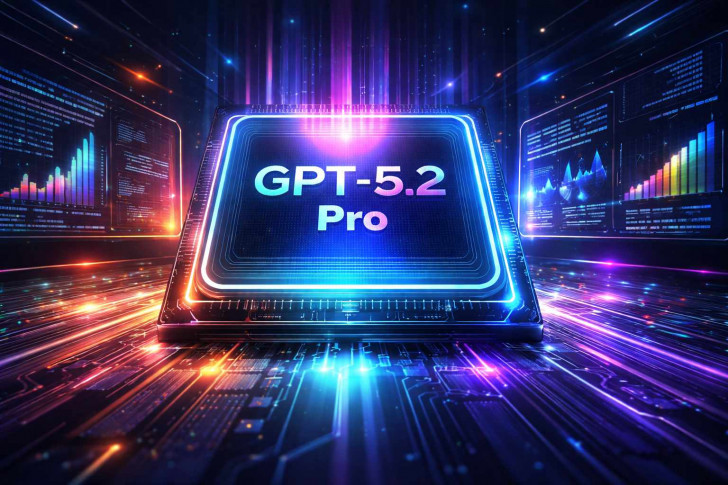
GPT-5.2 Pro grabbed first place on the FrontierMath benchmark with a 29.2% accuracy score, beating out other cutting-edge AI models on one of the toughest math reasoning tests available.
We use cookies to improve your experience on our site and to show you relevant advertising. To find our more, read our privacy policy and cookie policy


 Saad Ullah
 Eseandre Mordi

 Sergey Diakov
 Alex Dudov
 Usman Salis
 Peter Smith

 Victoria Bazir

 Marina Lyubimova