1846 articles
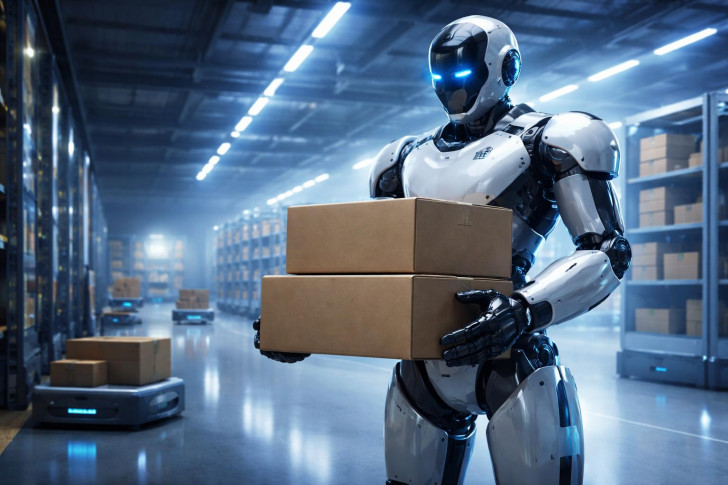
Suzhou Lumos Robotics and Shanghai Damon Technology introduced a wheeled humanoid robot for intelligent logistics, demonstrating automated handling of loads up to 50kg in operational warehouse conditions.
McKinsey data reveals a dramatic acceleration in AI skill requirements, with demand for AI fluency jumping sevenfold in just two years.
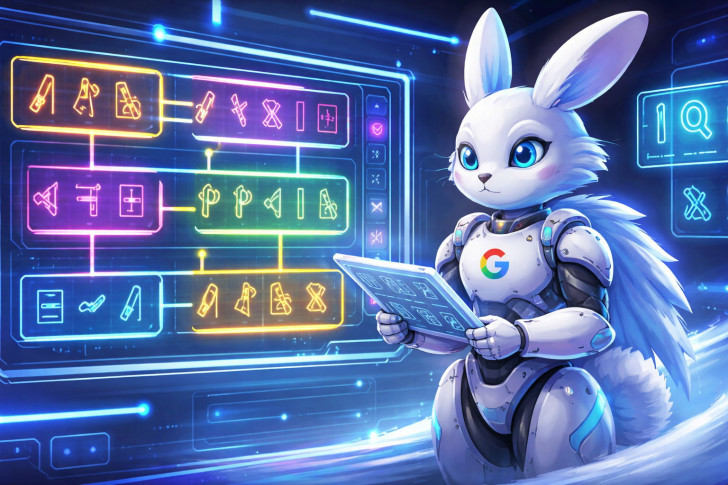
Unreleased Google Gemini models codenamed Snowbunny topped the Hieroglyph benchmark with 16 out of 20 points, outpacing other frontier AI systems in lateral reasoning tests.
OpenAI's revenue hit $20 billion in 2025, but the company burned through $9 billion while projecting expenses to balloon to $47 billion by 2028—raising questions about long-term sustainability.
Researchers from Microsoft and CUHK Shenzhen have introduced a new training approach to improve reasoning in speech-based AI models. The method significantly narrows the gap between speech and text reasoning performance.
Weaviate and CrewAI reveal production-ready framework for building scalable multi-agent AI systems using orchestration layers and vector databases.
OpenAI just restructured its leadership team, putting Barret Zoph in charge of enterprise AI sales and rolling out a general manager model across major products. The reorganization shows the company is getting serious about turning its technology into consistent revenue.
Google A/B tested an updated Gemini model in Google AI Studio over the weekend, demonstrating notably stronger performance in music-related tasks compared to LithiumFlow, sparking speculation about whether this represents Gemini 3 Pro GA or the upcoming Gemini 3.5 Pro version.
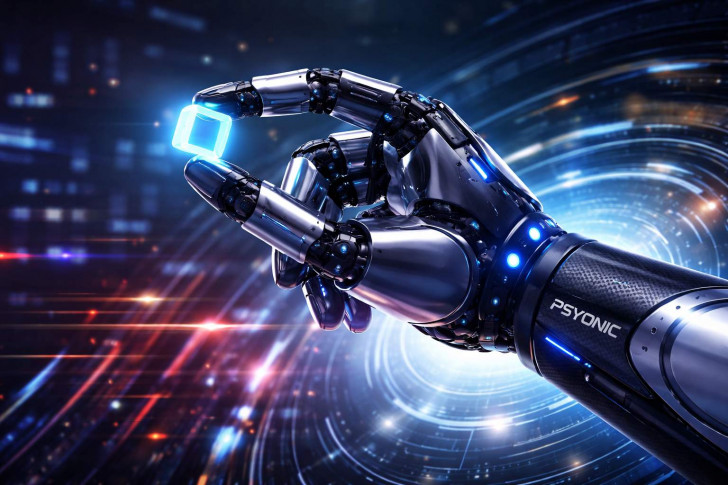
PSYONIC's Ability Hand demonstrates how cutting-edge robotics can recreate intricate human motor functions, marking significant progress in merging human-like movement with machine intelligence.
Adobe shares have tumbled more than 30% in 2026, hitting multi-year lows near $296 as growing concerns about AI-driven disruption shake investor confidence in the creative software giant.
AI systems now read online documentation as much as humans do, signaling a major shift in how digital knowledge gets accessed and used in automated workflows.
Xiaomi's MiMo API platform now lets users top up accounts with transparent token pricing, though billing hasn't launched yet and free credits are available.
Anthropic's developing a new search menu for Claude that'll give users faster access to past chats and instant actions, making the AI assistant more practical for everyday workflows.
Two-thirds of US doctors now use ChatGPT daily, marking a significant shift in how physicians access clinical information and engage with patients in their everyday practice.
Tencent's Hunyuan AI team just dropped a major upgrade to its AngelSlim framework, and the numbers are impressive. The new Eagle3 architecture is pushing inference speeds up to 1.9x faster across text, vision, and speech models—without sacrificing quality.
Scientists using artificial intelligence tools publish 3× more papers and earn 5× more citations annually, but new research reveals a significant trade-off in how discovery happens.
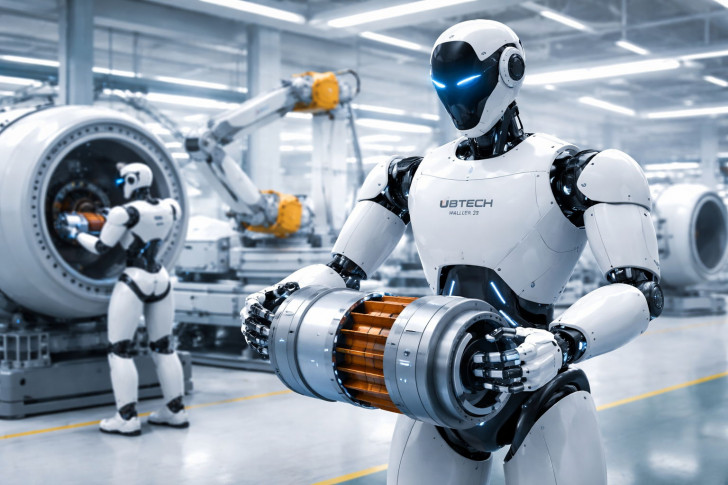
Humanoid robots are stepping into real factory jobs as UBTECH's Walker S2 takes over repetitive tasks at Sany Heavy Industry's wind turbine plant, handling 15-kilogram loads and working alongside human supervisors.
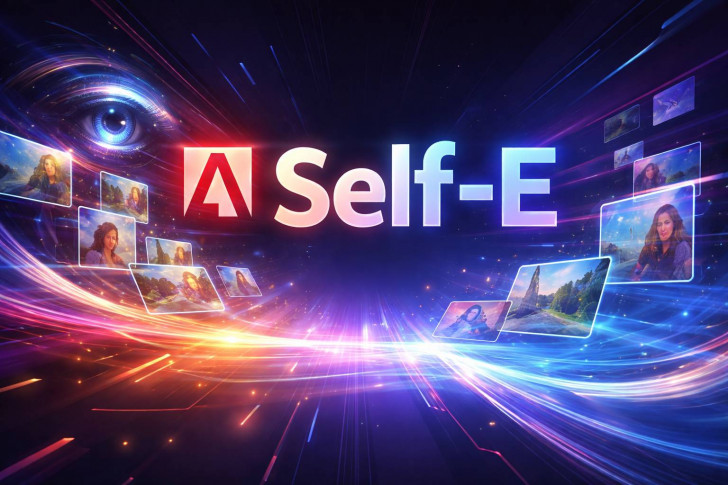
University of Hong Kong and Adobe Research have unveiled Self-E, a breakthrough self-evaluation training method that delivers high-quality text-to-image generation whether you need 1 step or 100.
Groq's Jonathan Ross flips the AI unemployment narrative on its head, claiming efficiency gains will actually shrink the workforce as cheaper living costs let people work less—potentially triggering labor shortages instead of mass layoffs.
Anthropic has revealed a broad expansion of its research and engineering hiring, pointing to work across audio, biology, cybersecurity, scientific discovery, and computer vision. The new roles highlight the company's growing ambitions beyond text-based AI.
We use cookies to improve your experience on our site and to show you relevant advertising. To find our more, read our privacy policy and cookie policy


 Sergey Diakov
 Marina Lyubimova

 Peter Smith
 Alex Dudov
 Usman Salis


 Saad Ullah
 Eseandre Mordi





 Victoria Bazir