202 articles
Google rolled out major upgrades to its Gemini 2.5 Flash TTS and Gemini 2.5 Pro TTS models, introducing style controls, smarter pacing, and better multi-speaker performance.
Google's Sima 2 system, powered by Gemini, achieved autonomous self-improvement in an unseen 3D environment and ultimately beat human performance benchmarks without any external supervision.
Data from Similarweb reveals a steady climb in Google visitors who also use ChatGPT, with the overlap hitting 14% by late 2025. This growing crossover points to AI tools becoming a regular part of how people search online.
Google is set to launch its first Gemini-powered smart glasses in 2026, featuring two product lines developed with partners like Samsung, Warby Parker, and Gentle Monster.
Google DeepMind just dropped SIMA 2, their latest Gemini-powered AI agent that can think, act, and learn on its own in 3D virtual worlds. The upgrade shows massive improvements over the first version and performs surprisingly close to human players.
Google launched its Agent Development Kit, a new system that treats AI context like compiled code instead of massive data dumps. The framework uses structured pipelines to feed agents only what they need, when they need it—making them faster and more efficient at scale.
New benchmarking data reveals three AI labs accelerating their LLM development while Meta's progress lags behind, with latest models showing breakthrough capabilities in autonomous task execution.
Similarweb data reveals massive difference in how people interact with AI chatbots versus traditional search engines
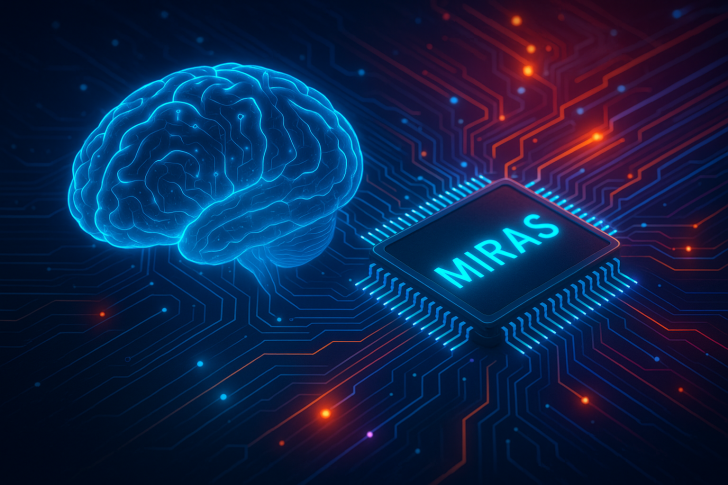
Google showed Titans besides MIRAS, a long term memory system that allows AI models to update and keep information in real time. The breakthrough allows context management that exceeds 2 million tokens without heavy hardware requirements.
The AI training data debate heats up as legal experts draw parallels to the Google Books case, suggesting current lawsuits against AI companies might reach similar conclusions about copyright and transformative use.
Former Google CEO Eric Schmidt says AI systems need to enhance human freedom, not restrict it. Public acceptance hinges on whether AI can handle emergencies responsibly while protecting civil liberties.
Google released Opus 4.5 (Thinking) on its Antigravity platform. The launch started new discussions about which AI firms now hold the lead. It places direct pressure on OpenAI in the contest for the most advanced model.
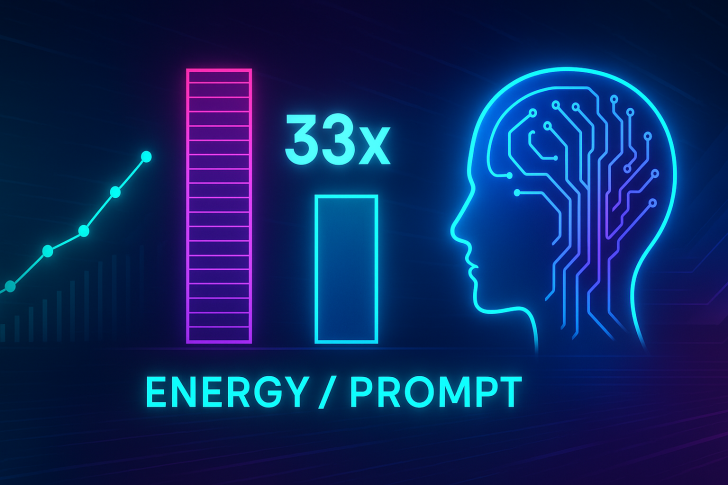
Fresh measurements from Google show Gemini now uses far less water, electricity, and CO₂ than earlier reports suggested. The updated data reveals a 33-fold jump in energy efficiency compared to widely circulated 2023 figures.
Fresh Google Search Console data reveals a dramatic decline in click-through rates despite maintaining strong visibility. The numbers tell a clear story: AI-powered tools are fundamentally changing how people find and consume information online.
Morgan Stanley significantly raised its TPU demand forecast for Google after discovering new supply-chain indicators, projecting purchases of 5 million units in 2027 and 7 million in 2028.
Google rolled out a Budget Tracker system that helps AI agents use their tool-call resources smarter. The update delivers better planning and accuracy in tasks where models typically burn through budgets without getting better results.
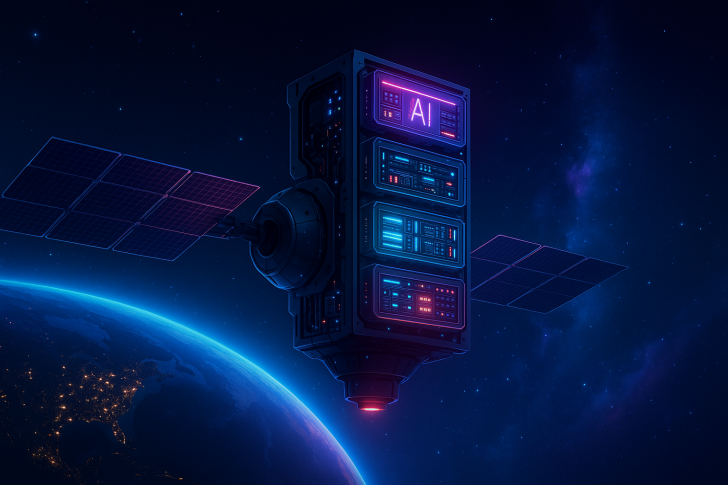
Google continues to work on a plan to place an artificial intelligence data center in orbit. The facility would draw power from large solar panels and would exchange data with Earth through laser links. The project suggests that computing hardware might one day operate in space instead of on the ground.
Google CEO Sundar Pichai says Gemini 3.0 Flash is coming soon and may be the company's best model yet. Internal teams are already pre-training the next generation as Google accelerates its AI roadmap into 2026.
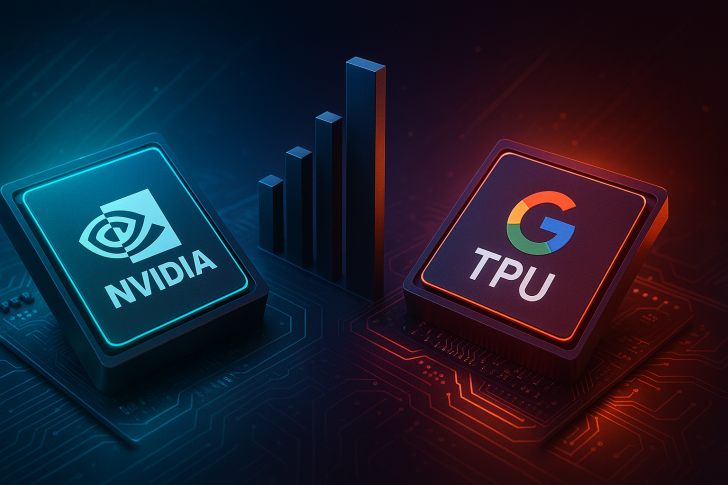
Fresh benchmark data reveals NVIDIA H100 and B200 delivering the lowest inference costs for Llama 3.3 70B, with Google TPU v6e and AMD MI300X falling behind in tokens-per-dollar efficiency.
Google's Gemini CLI v0.17.0 update launched on November 17 with three new extensions—Workspace, Redis, and Anomalo—alongside expanded Gemini 3 model access for paid users and several interface improvements.
We use cookies to improve your experience on our site and to show you relevant advertising. To find our more, read our privacy policy and cookie policy


 Peter Smith
 Eseandre Mordi
 Usman Salis
 Sergey Diakov
 Saad Ullah



 Alex Dudov