22 articles
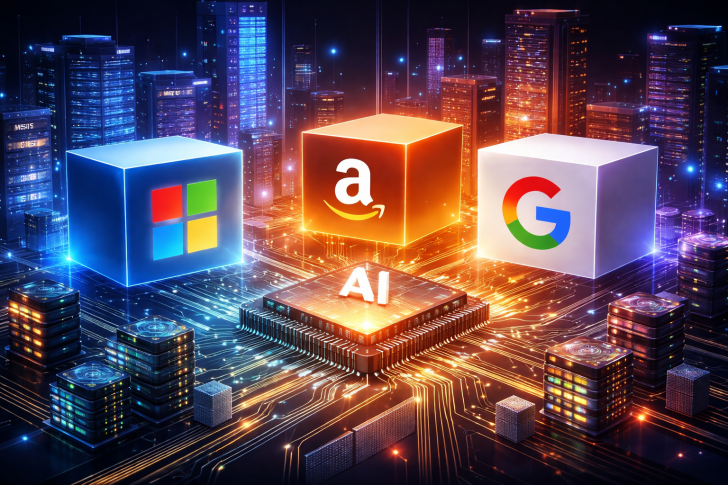
Tech giants Microsoft, Amazon, and Google are ramping up AI infrastructure spending as future compute contracts exceed $1.6 trillion, raising questions about market concentration and revenue realization.
Tech giants are pouring massive capital into AI infrastructure, with spending projections showing Amazon hitting nearly $200 billion by 2026 as the industry races to build next-generation computing capacity.
AI-generated code is taking over GitHub at lightning speed. Claude Code now powers 4% of all public commits and shows no signs of slowing down.
Citi warns that OpenAI's operating costs will surge from late 2026, creating concentration risk for tech firms heavily exposed to OpenAI contracts. Amazon shows the lowest backlog exposure at 16% compared to Oracle's 58% and Microsoft's 39%.
Fresh data from Epoch AI reveals Google commanding U.S. frontier AI data-center capacity in mid-2025, with Amazon-backed Anthropic securing second place ahead of OpenAI in the infrastructure arms race.
Amazon is building an $11 billion AI-focused data center campus in Indiana that will consume enough electricity to power a million homes and require 300 million gallons of water annually for cooling.
Over 7 gigawatts of new data center capacity will come online in 2025, with another 10 gigawatts breaking ground. Amazon, Nvidia, and other tech giants are racing to expand infrastructure as AI computing needs skyrocket.
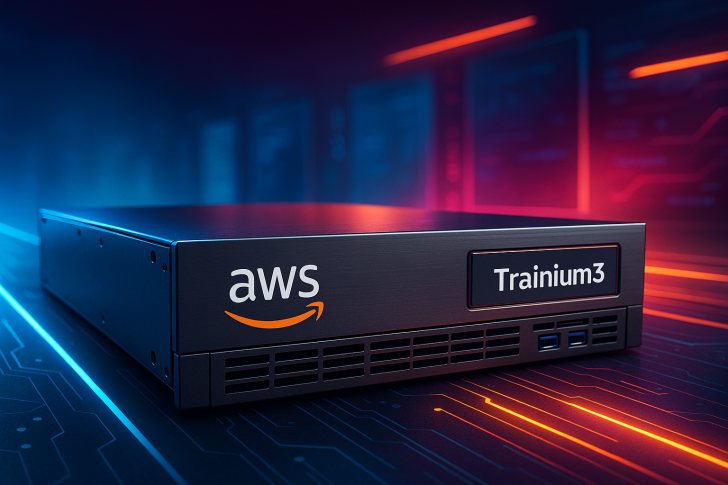
Amazon Web Services introduced EC2 Trn3 UltraServers that contain the Trainium3 chip. The new machines give a large jump in compute strength and in power use. Firms that deploy the hardware report sharp drops in cost plus quicker job completion.
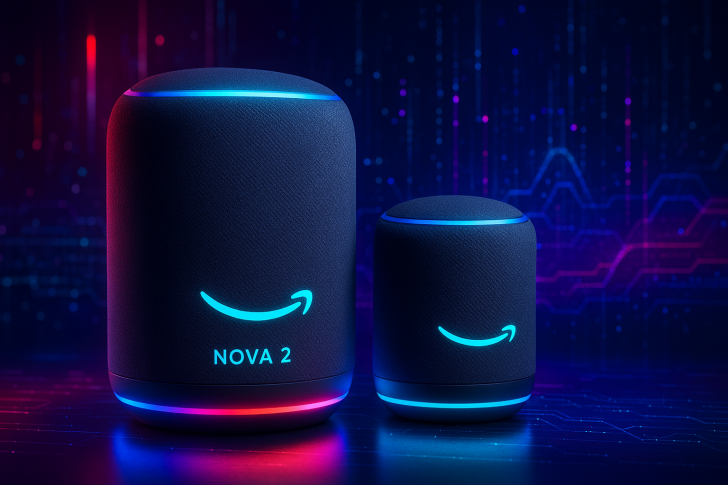
Amazon introduced its Nova 2 model family on Bedrock, adding step-by-step reasoning, full multimodality, and integrated agentic tooling for enterprise workflows. The update enhances Amazon's competitive position in the rapidly expanding AI infrastructure market.
Jeff Bezos' stealth AI initiative Project Prometheus has quietly acquired agentic computing startup General Agents after raising over $6 billion and expanding to more than 100 employees.
AWS is launching a massive infrastructure project worth up to $50 billion to build AI and supercomputing systems for U.S. federal agencies, creating a unified computing backbone across secure cloud environments starting in 2026.
AWS faced severe AI capacity shortages that forced enterprise customers toward competing cloud providers. Internal documents reveal delays and revenue losses as Bedrock hit critical limits during peak generative AI demand.
Major cloud providers Amazon, Microsoft, and Anthropic are supporting the Gain AI Act, a legislative proposal that would require AI chip makers like Nvidia to prioritize U.S. domestic demand before exporting advanced processors to restricted markets, potentially reshaping the global AI hardware landscape.
New projections show Google, Meta, and Amazon tightening their grip on U.S. advertising as AI drives engagement and ad precision to new heights.
Amazon's stock jumped 9.58% after announcing a $38 billion partnership with OpenAI. The deal positions AWS as a key infrastructure provider for OpenAI's AI models, using powerful EC2 UltraServers.
Ross Hendricks shared a chart showing nearly $900 billion in AI investments—including $400 billion from Meta, Microsoft, Amazon, and Google—massively outpacing actual revenue, sparking questions about when these bets will pay off.
Third-quarter earnings filings indicate that Amazon and Google together hold nearly 17% of Anthropic, exposing the depth of Big Tech's financial commitment to one of the fastest-growing AI companies globally.
A look at how Meta, Google, Amazon, and Microsoft are reshaping the tech landscape with unprecedented infrastructure investments — and what it might mean for everyone else.
Amazon's Trainium2 AI chips have reached multibillion-dollar business status, growing 150% quarter over quarter as demand far exceeds supply. With nearly 500,000 chips deployed and another million expected by year-end, AWS is transforming into one of the world's largest AI infrastructure providers.
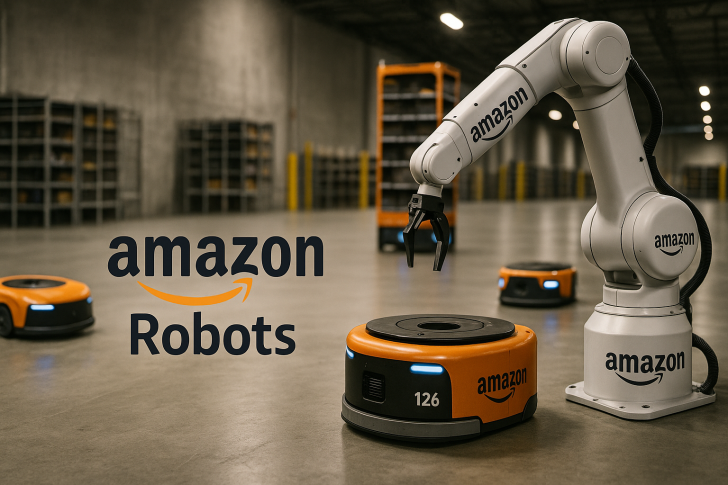
Amazon's aggressive push into warehouse automation could deliver annual savings of up to $4 billion by 2027, according to Morgan Stanley analysts, as the e-commerce giant reshapes fulfillment operations through robotics.
We use cookies to improve your experience on our site and to show you relevant advertising. To find our more, read our privacy policy and cookie policy


 Saad Ullah
 Usman Salis

 Marina Lyubimova

 Artem Voloskovets





 Eseandre Mordi

 Peter Smith


 Alex Dudov